As the school year begins, New York continues to make progress in improving education policy for its students while also facing persistent policy challenges in public education. The Rockefeller Institute spotlights five key policy areas below for advancing education in New York during this school year and beyond.
Among these key areas are those related to the implementation, impacts, and understanding of new policies New York has implemented in recent years. While New York has made significant advances in limiting distractions for K-12 students through a statewide school cellphone ban, for example, practices in other states and new and continuing research on the effects and effectiveness of these policies offer an opportunity to build on New York’s approach. New York has also committed to a truly universal pre-kindergarten (UPK) system for four-year-olds with all districts required to provide UPK to eligible four-year-old students by school year 2028-29.
In addition to those new policies, new and persistent challenges remain in need of further attention in education policy. Generative AI has upended both how students approach learning as well as how teachers design lesson plans, yet much is unknown about the long-term impact of these tools. Additionally, schools still face the persistent challenges of servicing and improving student mental health, which declined during the COVID-19 pandemic and has yet to rebound to pre-COVID levels. Finally, the threat of violence in schools, including firearm violence, requires not only vigilance but significant safety planning.

School Cellphone and Internet-Connected Device Bans Expand
As the Rockefeller Institute of Government previously wrote in March and May of 2025, states across the country have increasingly adopted policies restricting students’ cell phone use in schools. As the new school year begins, even more states have established policies limiting students’ access to cell phones during the school day: according to the Harvard Kennedy School, 22 states and Washington DC have established bell-to-bell cellphone bans, meaning no cellphone usage throughout the school day. An additional 19 states have enacted laws that allow school districts to create their own cellphone policy, including bell-to-bell bans or other more permissive partial bans.
Public support for such policies has also continued to grow. According to a Pew Research Center survey released in July 2026, 77 percent of respondents support an “in-class” cellphone ban that restricts students’ device usage during instructional times, and 48 percent support a more comprehensive “bell-to-bell” ban.
As these policies become more widespread, scholars are beginning to examine their effects on students. Researchers in Florida examined the first two years following the implementation of the state’s restrictions compared to the year before the restrictions. They found that student test scores improved in the first year, while suspension rates also rose compared to the previous year before the restrictions were enacted. By the second year of the policy, suspension rates returned to the previous rate before the restriction and test score improvement continued.
Another nationwide study found complementary results: in the first year of the adoption of Yonder pouches to limit phone use, in a national sample of middle and high schools, disciplinary incidents tended to increase and student well-being decreased, but these effects faded in the two years following adoption. This study did not find any meaningful change in student test scores. It is reasonable to believe that cell phone and device bans will have a greater impact on student achievement and behavior over time, as teachers and students adapt to the bans. Ongoing research is needed to measure any long-term effects as well as to identify best practices for bans.
New York Takes Steps Toward Universal Pre-Kindergarten
In the state’s fiscal year 2027 enacted budget, the Legislature and Governor commit to a true universal pre-K (UPK) system for four-year-olds by the 2028-29 school year. Although the budget only requires that all districts provide UPK to four-year-olds, there are also provisions to significantly expand UPK to three-year-olds and to begin a pilot program for two-year-olds in New York City. The Rockefeller Institute has previously discussed the present state of child care and UPK in New York State as context for this year’s budget changes.
New York’s existing UPK system already has significant coverage across the state for four-year-olds, with 93 percent of public school districts offering some form of pre-k, and 88 percent offering at least some full-day pre-k. Indeed, 94 percent of the state’s students are living in districts that already offer some full-day pre-k. The gap in availability of UPK has not primarily been driven by whether a district has a program at all, but by whether their UPK program has available spots for parents to enroll their children. Despite the noted broad reach of existing programs, only 74 percent of four-year-olds statewide were enrolled in a pre-K program during the 2024-2025 school year, and that number is significantly lower—64 percent—outside of New York City. School districts across the state will be required to significantly expand their programs over the next few years to ensure that there are enough slots for all eligible four-year-olds by 2028, as is newly required.
Expanding capacity for UPK programs requires significant investment, both to open new programs where they are not yet located and to expand existing programs. UPK services can be provided directly by districts themselves or through contracting partners including BOCES, public charter schools, eligible agencies, and community organizations. New York is already struggling to employ enough child care workers and preschool teachers, however. The state was expected to need a 24 percent increase in pre-K teachers in the next 10 years before the law change, and even more early educators will be required now.
AI’s Impact on the Classroom
AI continues to change the way teachers teach and students learn. The impact of ChatGPT and other generative AI (GenAI) technologies on academic integrity and student work has increasingly changed the ways that teachers and professors evaluate student learning. While some surveys of high school students before and after the introduction of GenAI have not found an increase in self-reported cheating, with students who reported cheating before its introduction continuing to do so after, other more comprehensive studies have found a mixed impact on academic integrity. A large-scale representative sample of undergraduates across 20 major US universities found significant heterogeneity in the use and misuse of generative AI across disciplines and student groups. Students varied significantly in how often they used AI, with daily users more likely to report that they use GenAI to cheat compared to monthly or less frequent users.
Educators have reported mixed feelings about the impact of AI on their students. A survey across different countries and levels of schooling found that educators have adjusted some of their assessments and teaching methods to prevent AI dependency in their students, but also understand the potential of AI to reduce stress through automating rote tasks. There is also evidence that the way students are introduced to AI can impact how they use it, with students working more collaboratively with AI rather than relying on it to generate answers when exposed to hands-on AI lessons or lab guides with examples of effective AI use.
AI is also having a significant impact on how teachers approach the classroom and plan their lessons. AI-assisted lesson planning tools have become ubiquitous, including such programs as Canva, MagicSchool, and Lesson Plan AI. Teacher and researcher reviews of the effectiveness of these types of tools have been mixed, with some researchers and educators highlighting that AI tools can help teachers refine materials, set clear lesson goals, and support individualized learning, while others find that AI-generated lesson plans, especially those generated through general AI clients like ChatGPT, only promote basic levels of thinking and memorization while missing opportunities for students to develop higher-order critical thinking skills. It is important to continue to examine the impact that AI has on student academic integrity and skill acquisition, and to make sure that teachers, schools, and education policy-makers have the knowledge to establish evidence-based AI policies and best practices for use.
Children and Adolescents Face Continued Mental Health Challenges
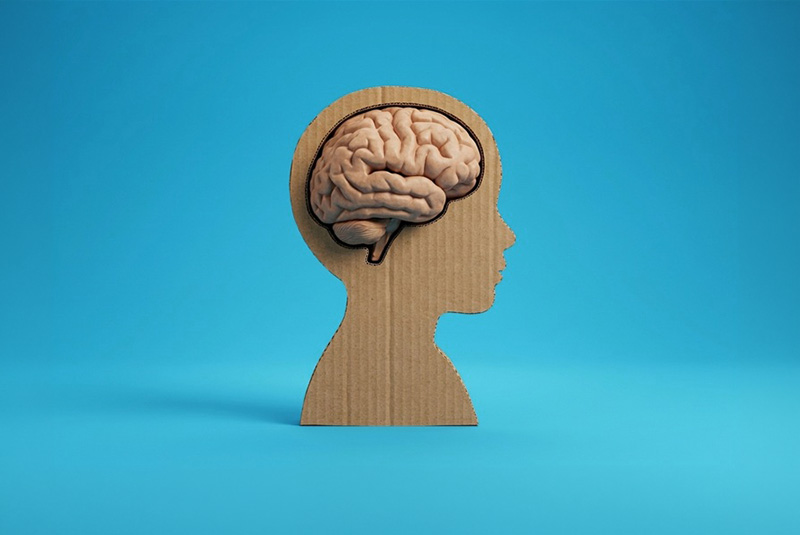
The COVID-19 pandemic had a significant negative impact on the mental health of children and adolescents, and there have unfortunately been limited improvements in subsequent years. One proposed explanation for this sustained decline in mental health is the impact of social media, especially highly visual social media such as TikTok. A comprehensive literature review found that existing studies provide suggestive evidence that TikTok has a negative influence on youth mental health through a variety of mechanisms, including what the study has categorized as: addictive behavior, “contagion” of mental illness behavior (including self-harm and suicidal ideation), and decreased self-esteem. Additional reviews have found that the links between social media and negative health outcomes are complex, and adverse effects are most associated with using social media for passive scrolling rather than active engagement with friends and peers through messaging and post responses. Better understanding the mechanisms through which social media impacts mental health is crucial to developing appropriate tools, support programs, and interventions for students.
Schools have a unique ability to support and improve student mental health. Supportive relationships are important to improve adolescent mental health outcomes, which include relationships with family, school adult support, and school peer support (with peer support being particularly important for children ages eight to 15). Increasing the mental health literacy of parents and other adults who work with children may improve student mental health outcomes by encouraging these supportive relationships, and schools have the further ability to nurture supportive peer relationships.
Additionally, schools have become one of the most important direct providers of mental health services to children and adolescents, with 18 percent of students using school-based mental health services according to the National Center for Education Statistics’ School Pulse Survey in 2025. Schools have become one of the first places that students seek out mental health care, and surveys of academic literature have found that school-based mental health services have an impact across emotional and behavioral problems. However, most schools report that they cannot provide the desired care due to inadequate funding (56 percent) or a lack of licensed mental health professionals (51 percent). Despite the demand for these school-based mental health services, recent changes to Medicaid and Department of Education funding endanger the continued provision of these services through school-based health services.

School Safety Remains Central, but Practices May Not Be Evidence-Based
As students and educators return to classrooms, questions about how best to keep schools safe inevitably return with them. One issue to watch over the coming school year is how schools choose to invest in safety and security—and whether those decisions are guided by evidence. Recent headlines have highlighted schools’ investments in new technologies designed specifically to respond to active shooters, including what may seem to some to be extreme measures, such as drone systems capable of deploying pepper spray or physically confronting an attacker. While innovation can play an important role in improving safety, the continued emergence of expensive and largely untested technologies raises questions about how schools will balance new approaches against strategies with a stronger evidence base.
If violence does occur, lockdowns remain one of the most effective and well-tested tools available for mitigating harm. Prioritizing that classrooms and other occupied spaces have functional locks that can be engaged quickly and easily from inside the room is a key step, as is ensuring that students and staff are trained to use evidence-based lockdown procedures. As new security products and technologies continue to enter the school safety marketplace, an important issue will be whether schools choose to adopt or prioritize these foundational measures before or alongside approaches whose effectiveness has yet to be established.
Still, another important development to watch is whether the school safety conversation increasingly shifts upstream from responding to violence toward preventing it from occurring in the first place. Research from the Rockefeller Institute’s Sharing Information to Stop Mass Shootings (SISMS) project demonstrates that mass public shootings frequently are preceded by concerning behaviors and communications that may be observed by people around the perpetrator, creating potential opportunities for intervention. Prevention therefore requires more than simply establishing a tip line or other reporting mechanism. Students, educators, and staff need to understand what types of information may warrant concern, know how and where to report it, and trust that those concerns will reach someone equipped to assess and respond to them. As schools refine their safety strategies in the coming year, the extent to which they invest in this broader prevention infrastructure—educating school communities about warning behaviors, providing accessible reporting pathways, and ensuring that reported information is appropriately evaluated and acted upon—will be an important area to watch. These investments not only strengthen schools’ capacity to prevent targeted violence but also can help identify and address a much broader range of concerns before they escalate.
Moving Forward
As this school year develops, the five topics highlighted above—school cellphone bans, universal pre-k, AI in the classroom, student mental health, and school safety—will play an important role in how students and teachers experience the classroom. Additional research is important to identify best practices for addressing these topics and ensuring high-quality education for all New Yorkers. Continued research into the emerging topics of AI in the classroom and cellphone bans is particularly needed as these technological developments are so new that there is a limited evidence base as to both their effects and best practices for using them effectively.
ABOUT THE AUTHOR(S)
Leigh Wedenoja is chief economist at the Rockefeller Institute of Government.
Jaclyn Schildkraut is the executive director of the Regional Gun Violence Research Consortium (RGVRC) at the Rockefeller Institute of Government.
Mathilda Scott is a policy analyst at the Rockefeller Institute of Government.