
In 2025, the frequency of firearm-related deaths and injuries continued to decline, with preliminary data from the Gun Violence Archive indicating that this year is trending towards pre-pandemic numbers. Still, gun violence in the United States continues to be an issue of concern for policymakers and the public alike. Our team of experts at the Regional Gun Violence Research Consortium (RGVRC), a group of nearly 150 researchers and practitioners from across the nation, worked to lend an evidence-based and research-focused understanding of gun violence and to highlight more nuanced facets of this issue to the public and policymakers. This blog presents a look back at the work of RGVRC members in 2025.
This year, among other research areas, the Consortium focused on examining different ways in which gun violence can be prevented. One analysis by our members examined how early childhood education—specifically, Head Start programs—can provide developmental interventions that can help prevent gun violence later in life. Similarly, a February podcast episode featuring other RGVRC members considered how efforts to reduce pediatric deaths due to car accidents could inform strategies related to firearms.
In line with that emphasis on prevention, our experts explored existing policies and practices that have shown promise in reducing firearm violence. One such approach is the use of Extreme Risk Protection Orders, otherwise known as red flag laws, and a July 2025 webinar explored lessons learned from related implementation efforts. As part of our back-to-school focus, our experts also shared valuable insights from their research on behavioral threat assessment and management (BTAM) teams and how they can be used to identify students at risk and prevent gun violence in educational contexts. We further examined new and emerging pathways to prevent firearm violence, such as leveraging individuals’ social networks to identify potential threats for BTAM teams and other stakeholders (e.g., law enforcement, courts) that could support individuals in getting off the pathway towards violence.
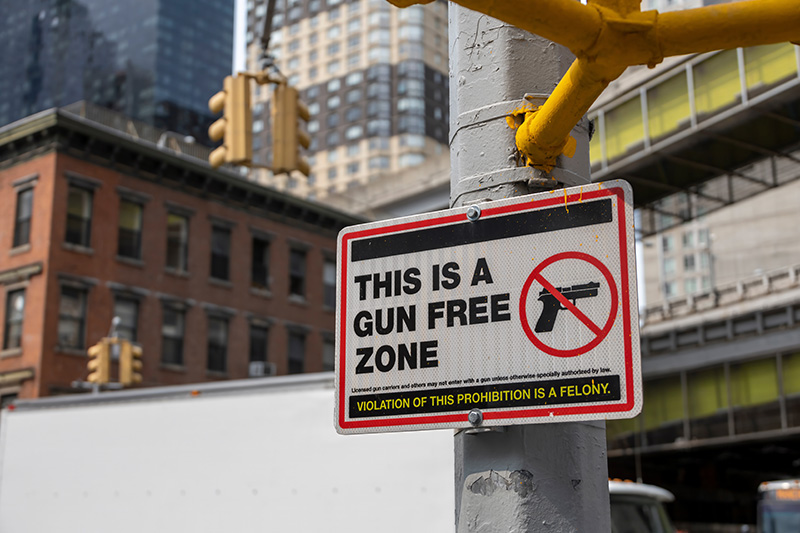
Another focus in 2025 was to investigate the contexts and correlates that may shape the impact of gun violence. This included individual-level considerations, such as the impacts of firearm power (i.e., caliber of the weapon) in school shootings. Our experts also considered the important role of locations. One analysis examined mass shootings that occur in homes and similarly private locations, a topic that is often overlooked in both academic and public discourses, which tend to prioritize publicly occurring events. A separate evaluation considered the role of gun-free zones that, despite rhetoric to the contrary, were not prone to increased firearm violence.
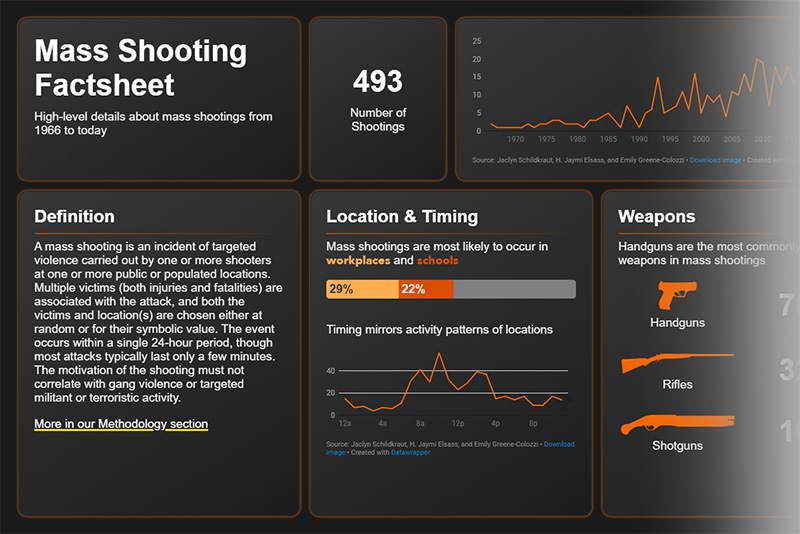
This year, we (re)introduced our Mass Shooting Factsheet, one of the Consortium’s most popular resources. In addition to getting a visual makeover, this resource is now updated in real-time as new mass public shooting incidents occur or additional information about events becomes available. Similarly, we updated both our New York State Firearm Storage Map and School Lockdown Drill Dashboard to ensure the most up-to-date information is available for users of these important resources.
Our final area of focus this year was on providing insight into the evolving legal foundations of gun violence in the United States. With new legal challenges emerging in the wake of the 2022 Supreme Court case New York State Rifle & Pistol Association, Inc. v. Bruen, our experts examined the role of originalism in associated rulings. We further explored definitional considerations related to mass shootings to ensure that efforts both in research and policy are rooted in similar contexts for optimal effectiveness. And, our experts shared insights from a new effort, The Glossary Project, designed to help ensure that language used by policymakers, practitioners, and other vested stakeholders to discuss gun violence aligns with the individuals and communities such efforts seek to serve.
As in previous years, RGVRC experts continued to provide evidence-based guidance on preventing and responding to gun violence in 2025. Looking toward 2026, we remain committed to delivering the rigorous research and analysis that define the RGVRC’s work. While gun violence has thankfully declined this year, too many individuals and communities are still affected, underscoring the need for policies and practices grounded in research. Our experts are ready to meet this challenge.
Revisit all of the RGVRC research products from 2025 here:

Guns, Cars, and Pediatric Deaths
podcast feat. Jaclyn Schildkraut, Eric Fleegler, and Lois K. Lee, February 2025

(Re)Introducing the Mass Shooting Factsheet
Jaclyn Schildkraut, H. Jaymi Elsass, and Emily Greene-Colozzi, June 2025
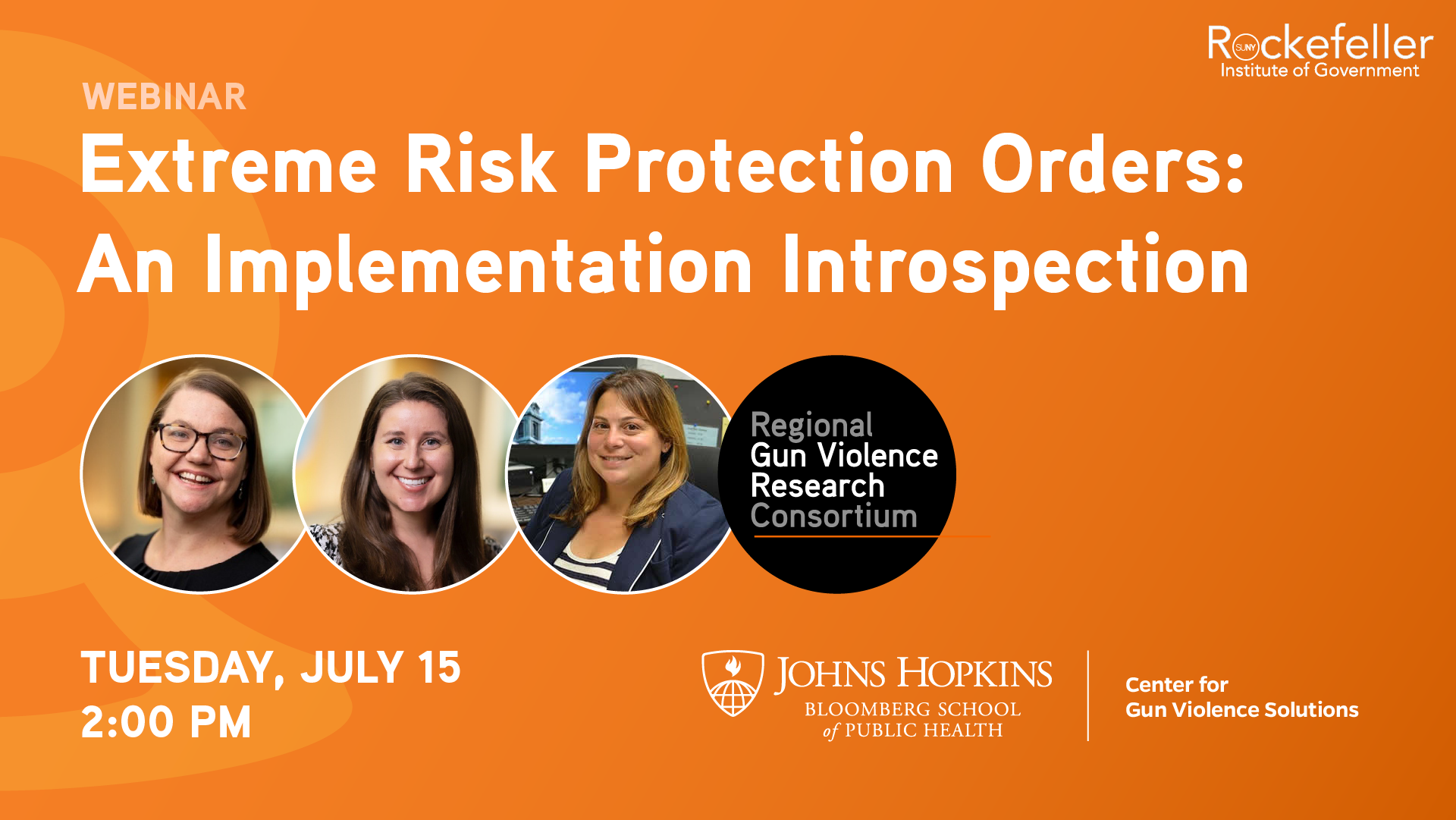
Extreme Risk Protection Orders: An Implementation Introspection
webinar feat. Jaclyn Schildkraut, Lisa Geller, and Spencer Cantrell, July 2025
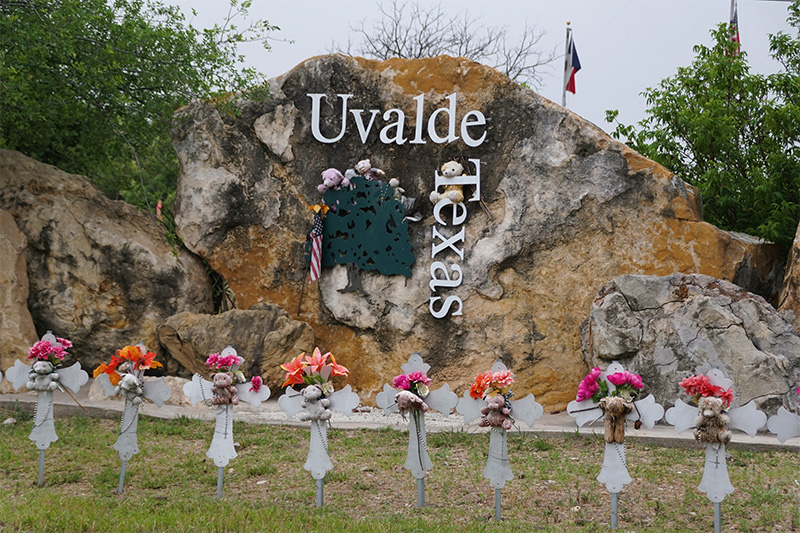
Mass Shootings: Why Does Definition Matter?
Jaclyn Schildkraut, H. Jaymi Elsass, Emily Greene-Colozzi, and Brent R. Klein, July 2025
Keeping Schools Safe with Behavioral Threat Assessment
podcast feat. Eric Madfis and Jaclyn Schildkraut, August 2025

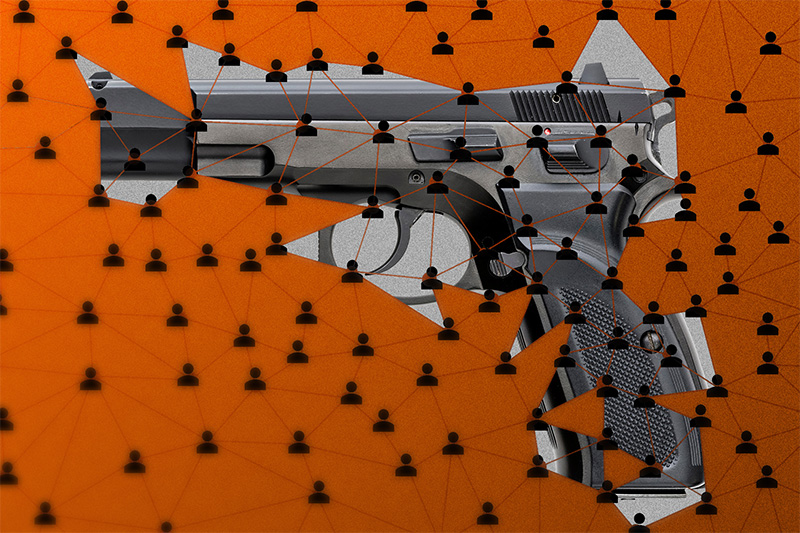
Leveraging Social Networks to Prevent Mass Public Shootings
Emily Greene-Colozzi, Jaclyn Schildkraut, Brent R. Klein, Lucia Arrigo, and Lauryn Krebs, October 2025

Expanding the Focus on Mass Shootings: Why the Home Deserves More Attention
Wilson Hammett, November 2025
Learn more about our members highlighted in 2025:







ABOUT THE AUTHOR
Jaclyn Schildkraut is the executive director of the Regional Gun Violence Research Consortium at the Rockefeller Institute of Government