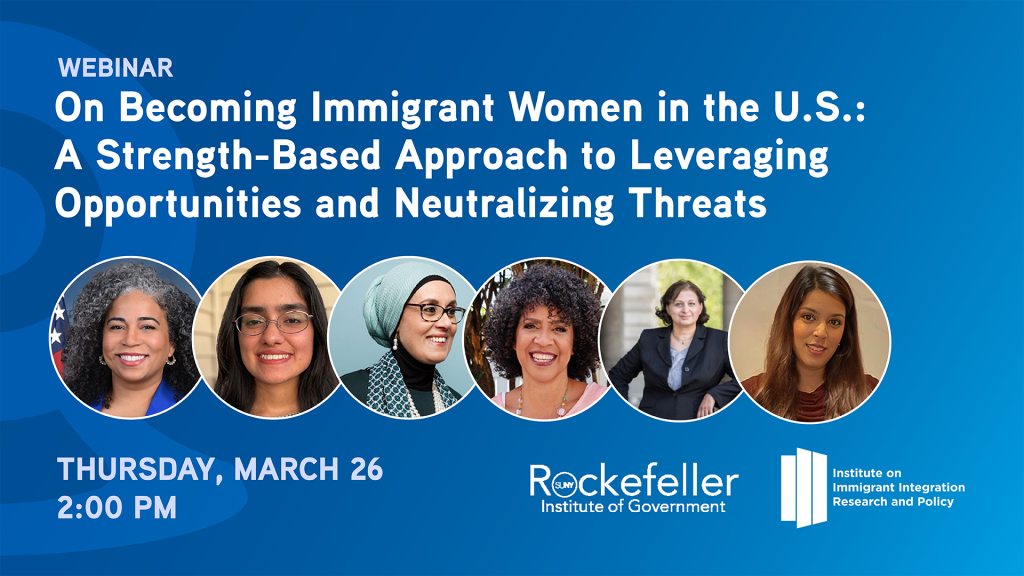
On Becoming Immigrant Women in the US: A Strength-Based Approach to Leveraging Opportunities and Neutralizing Threats

What is the status of immigrant women in the US in general and in New York in particular? Do they face employment and economic inequality compared to their foreign-born male and native-born female counterparts? Is there a double disadvantage of being foreign-born and a woman in the U.S? Is there a double wage penalty? Do immigrant women have a higher unemployment rate? Do they experience underemployment as a demographic group due to non-recognition of foreign-obtained degrees and experience? Do they access high-paying jobs, healthcare, and education? Where do they stand with respect to language proficiency? Do they have a higher risk of intimate partner violence? Are culturally and linguistically appropriate services, providing shelter, legal aid, and support, available to them? Do support services exist for women whose gendered cultural expectations restrict them to the domestic sphere, causing social isolation and limiting integration? This webinar shares the latest data on foreign-born women and examines model programs for addressing their unique needs and overcoming social, economic, and political challenges they face in integrating into their communities.

Special Remarks

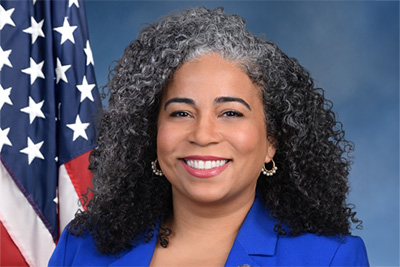
Karines Reyes

Karines Reyes

Assembly Member, New York State Assembly

Karines Reyes has been a Bronxite for nearly 20 years. Born in the neighborhood of Los Minas, Santo Domingo, in the Dominican Republic, she identifies as an Afro-Latina. She is a registered nurse in the Oncology Department at Montefiore Einstein Hospital. Karines has two young sons and has been balancing the tasks of being a nurse, union representative, activist, and volunteer without neglecting the duties of her most important job—being a mother.

Her family left the Dominican Republic and moved to her father’s homeland of Carolina, Puerto Rico, in her early childhood. She immigrated to the United States with her mother when she was six years old. Moving to Corona, Queens, to live with her maternal grandfather, she experienced the culture shock of a place that was different and unknown. The challenge of learning English made her apprehensive, but Karines dove right in and excelled in all areas of her education.

Her love for the arts and music continued to develop as she moved throughout the public school system. At Louis Armstrong Middle School in Queens, she played the clarinet in the concert band and was the senior band leader. During her years at the High School of Art and Design, Karines focused on visual arts—creating an array of inspiring works of art. She majored in advertising and served as the account executive for the student-run advertising agency. After graduating with honors, Karines attended CUNY Baruch College and studied communications. During that time, she began working at Mount Sinai Hospital in the Health Information Management Department. Three years later, she had her first son. The financial demands of raising a family pushed Karines to work a second job. She obtained a position with Aramark at Mount Sinai Hospital and worked as a hospital employee and an outside contractor simultaneously. Soon after, she moved to the Physical Therapy Department as an admissions coordinator when her second son was born in 2010.

While on maternity leave, she decided to return to school and pursue a career in nursing. As a student nurse, Karines volunteered in Haiti after the earthquake and participated in numerous community health fairs in the Bronx. She acquired her degree in nursing by 2013, while working full-time and managing the demands of being a mother. She graduated with the third-highest nursing average in her class and passed the boards. Shortly after, she began her nursing career at Montefiore Hospital on the In-Patient Oncology Ward. Karines attained a certification in chemotherapy infusion and worked in the hospital and as an infusion nurse at the Eastchester Cancer Center. She was an active leader and served on the NYSNA Executive Committee at Einstein Hospital as vice chair of the bargaining unit. Additionally, she has participated in lobbying for safer nurse-to-patient ratios and single-payer healthcare in New York State. Her leadership role has led Karines to address local community boards and build relationships with many of the city’s elected officials. Karines has also traveled around the country, attending conferences as a representative with NYSNA to speak about issues affecting communities nationally.

As a Latina of Puerto Rican descent, her interest in the island’s economic struggles led Karines to participate in many demonstrations both in the states and on the island of Puerto Rico, particularly in reference to health equity and human rights issues. After Hurricane Maria hit the island, she served as a volunteer nurse with the first group of medical professionals deployed by New York State. Along with a team of fellow nurses, LPNs, doctors, and pharmacists, they staffed medical tents outside San Pedro Hospital in Fajardo, Puerto Rico. They provided much-needed medical services to the community.

Karines has devoted much of her career, both in labor and in nursing, to helping others. She has made it her life goal to be sure to represent those who need it most and will continue to do so as the New York State Assemblymember for the 87th District.
Read More

Panelists

Maryam Ahmad

Maryam Ahmad

Reporter & Producer, WAMC Northeast Public Radio

Maryam Ahmad is a journalist covering the intersections of politics and culture. She is currently a reporter and producer at WAMC Northeast Public Radio, based in Albany, and focuses on marginalized communities in the Capital Region. She has also written for the Polis Project, Nerdist, and Joysauce.

Read More
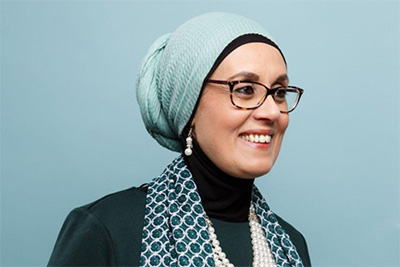
Debbie Almonstaser

Debbie Almonstaser

Founder & CEO, Bridging Cultures Group, Inc.

Dr. Debbie Almontaser is an internationally recognized educator, entrepreneur, speaker, and expert in cross-cultural understanding. She is the author of Leading While Muslim: The Experiences of American Muslim Principals After 9/11 and a prominent advocate for diversity, equity, and inclusion.

As the founder and CEO of Bridging Cultures Group Inc., Dr. Almontaser leads a for-profit organization that provides professional development and coaching to companies, nonprofits, universities, and K-12 education professionals. She is also the founding principal of the Khalil Gibran International Academy in Brooklyn, NY, and has over 25 years of experience in the New York City public school system as a teacher, trainer, administrator, and diversity advisor.

Read More
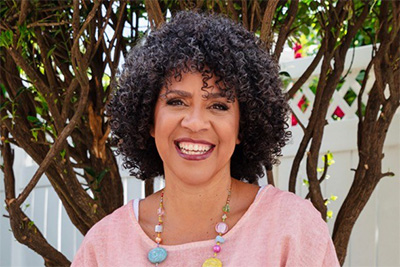
Dianne Morales

Dianne Morales

Executive Director, El Puente

Dianne is an executive leader and social entrepreneur with demonstrated success in developing innovative solutions in social and economic justice. She is an expert in education, workforce, and youth development with a wealth of experience in strategy, policy, and organizational development. She has extensive experience in the creation of scalable programs and cross-sectoral partnerships, as well as deep knowledge in the development of sustainable systems and operations. She has been recognized by the New York City Hispanic Chamber of Commerce for her work with local communities in Puerto Rico after Hurricane Maria, by Hispanic Lifestyle as a “Latina of Influence,” and by 100 Hispanic Women National, Inc., for her achievements throughout her professional career. She is an Afro-Boricua who grew up in Bedford-Stuyvesant. She holds degrees from Columbia and Harvard University and has focused her life on supporting community transformation through access and opportunity.

Prior to joining El Puente, Morales founded StillRising, a social impact management and leadership consulting firm focused on strengthening leaders and supporting organizations working toward social justice and racial equity to address historic disparities and transform communities. Under StillRising, Dianne launched The Leadership Network—to amplify impact and support BIPOC leaders who are working on issues related to equity and social justice in their communities through education and human services; Diaspora Despierta—to elevate the powerful, people-centered work being done in Puerto Rican communities post Hurricane Maria; and, POC Execs—to create spaces for executives of color to come together, strengthen relationships and build community.

Read More
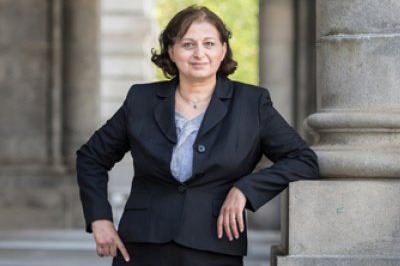
Dina Refki

Dina Refki

Executive Director, Institute on Immigrant Integration Research and Policy

Dina Refki is the director of the Center for Women in Government & Civil Society (CWGCS) at the University at Albany. Refki studies and researches the interplay of gender with institutional structures in the US and international context. She applies gender mainstreaming and budgeting analysis from transnational perspectives. Prior to assuming leadership at CWGCS in 2009, she held different positions at the Center, including as director of the Immigrant Women & State Policy Program, which facilitated interagency collaboration, promoted dialogues with civil society and immigrant women at the state level, and worked to identify and address barriers to the integration of immigrant women in the social, economic, and political fabric of local communities. Refki studies the challenges of migration, the barriers facing immigrant women and their families, and the structural changes needed to better respond to the needs of immigrant women.

Read More
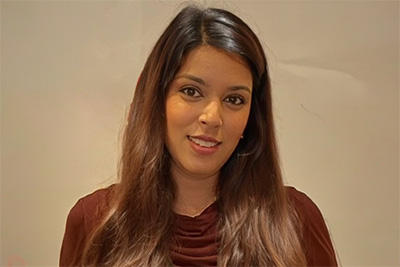
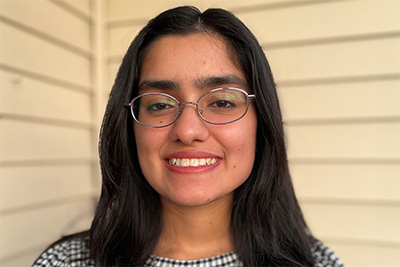
Nisa Sheikh

Nisa Sheikh

Associate Director, Anti-Violence Program, Sakhi for South Asian Survivors

Nisa Sheikh is the associate director of the Anti-Violence Program at Sakhi for South Asian Survivors, where she works closely with survivors of gender-based violence to advance safety, healing, and long-term stability. She brings over a decade of experience in the nonprofit sector, with a strong foundation in direct services and survivor-centered, trauma-informed advocacy. A committed social justice advocate, Nisa has supported survivors across diverse communities and led anti-violence initiatives that prioritize dignity, autonomy, and culturally responsive care. In addition to her direct service work, she has extensive experience in project and program management, having supported both small grassroots organizations and large nonprofits across the country. Nisa is fluent in Urdu, Hindi, and English, which strengthens her ability to connect with and advocate for multilingual communities. Outside of her work, she considers herself an international foodie and loves discovering new desserts to bake.

Read More