Black homicide survivors often experience complicated grief following the traumatic loss of a loved one. While existing scholarship has addressed homicide survivorship among Black males, families, and Black mothers, research focused on the unique experiences of Black fathers who have lost children to homicide remains critically limited.

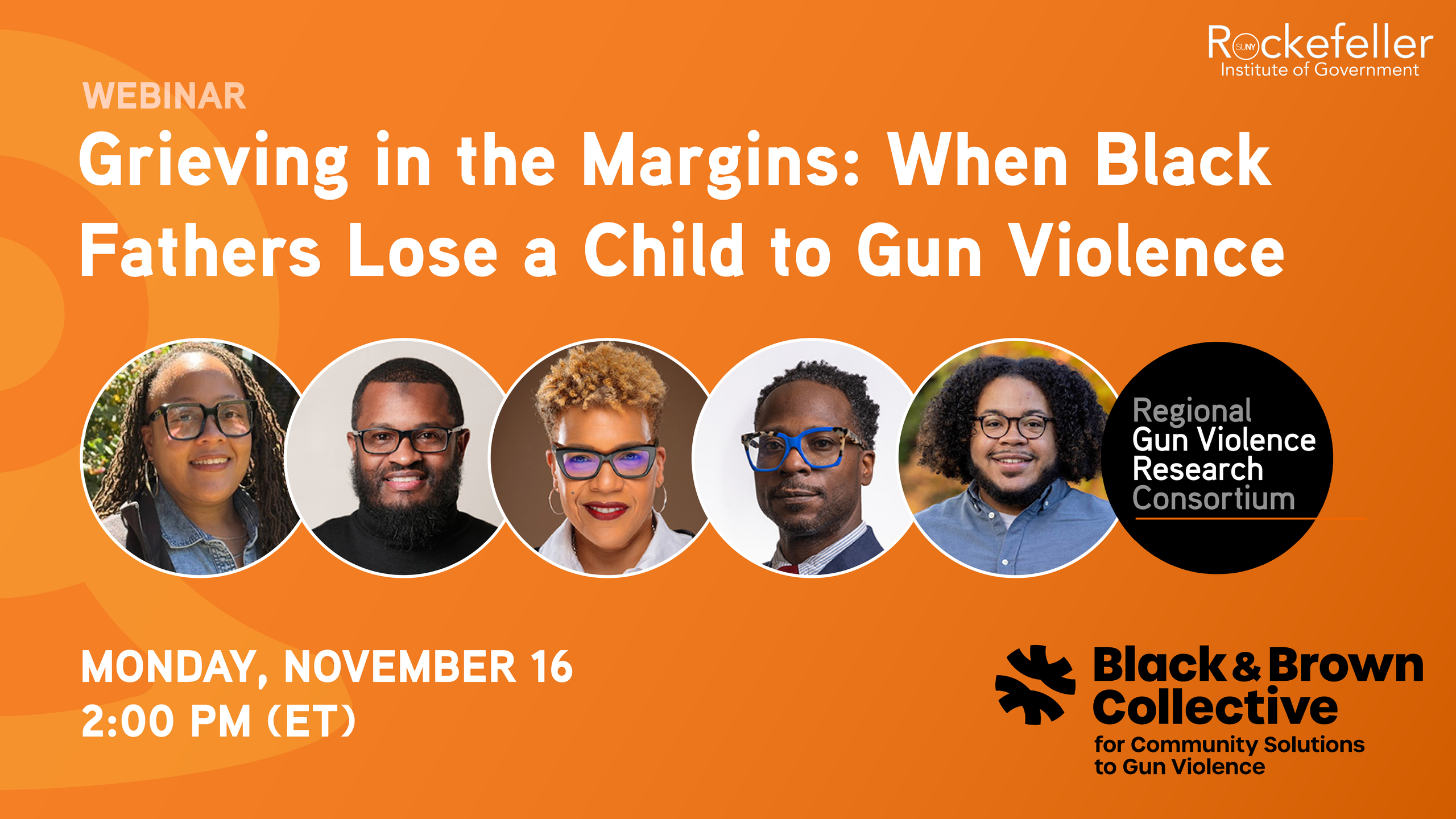
This webinar, co-hosted by the Rockefeller Institute of Government and the Black & Brown Collective for Community Solutions to Gun Violence, centers the voices and experiences of Black father homicide survivors through a powerful conversation between leading researchers and a Black father who has lived this experience. The conversation features members of the Collective’s network, including Senior Fellow & member Tanya Sharpe, member Nazsa Baker, and Training & Mentorship Program alumni Anthony Shaw and Caleb Cuthbertson. Together, they explore how Black fathers navigate grief, masculinity, and manhood in the aftermath of their child’s death—illuminating an urgent yet overlooked dimension of community violence and its impacts.

Join us for this important dialogue that bridges research, lived experience, and pathways toward healing.

Panelists

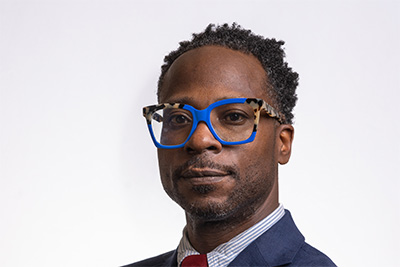
Jaime Jalil Meekins

Jaime Jalil Meekins

Director of Community Partnerships, Office of Public Safety, City of Philadelphia

Jaime Meekins is a father, community leader, and dedicated advocate for public safety and healing. After losing his 14-year-old son, Mu’aawiyah Jalil Meekins, to gun violence in 2018, Jaime turned his grief into action, devoting his life to preventing other families from experiencing the same pain.

He was selected to serve on Philadelphia’s Citizen Police Oversight Commission but turned it down to focus on his personal career and was recently appointed to Philadelphia City Council’s Special Committee on Gun Violence, where he helps shape policy and foster accountability. Jaime is also a graduate of the Community Violence Intervention Leadership Academy (CVILA) at the University of Chicago Crime Lab, the first CVI-specific leadership program in the nation.

In addition to his policy work, Jaime leads professional development programs for justice-impacted men ages 18–34 who are at the highest risk of gun violence and actively collaborates with community-based organizations to reduce violence, strengthen neighborhoods, and restore hope. His mission is to professionalize the Community Violence Intervention field while ensuring that Black men and boys are given the opportunity to live, grow, and thrive.

Read More
Tanya L. Sharpe

Tanya L. Sharpe

Professor and the Factor-Inwentash Endowed Chair in Social Work in the Global Community, University of Toronto

Tanya L. Sharpe, MSW, PhD, is a professor and the Factor-Inwentash Endowed Chair in Social Work in the Global Community at the University of Toronto’s Factor-Inwentash Faculty of Social Work. An internationally recognized scholar and thought leader in homicide research, Dr. Sharpe’s work has fundamentally shaped how the social, cultural, and structural consequences of homicide are understood, measured, and addressed, particularly for Black communities in Canada, the United States, and across the global African diaspora.

Dr. Sharpe is the founder and director of the Centre for Research & Innovation for Black Survivors of Homicide Victims (The CRIB), a multidisciplinary research center designed to advance culturally responsive, community-engaged approaches to post-homicide grief, trauma, and survivorship. Her pioneering scholarship examines the sociocultural and structural determinants that shape the lived experiences of African, Caribbean, and Black survivors of homicide victims, resulting in the development of internationally cited conceptual models, empirically validated measurement tools, and evidence-informed interventions that have transformed post-homicide research, practice, and policy.

A leading authority on post-homicide bereavement, structural violence, and racialized trauma, Dr. Sharpe has secured substantial national and international research funding and has authored an extensive body of high-impact, peer-reviewed scholarship across public health, social work, criminology, and victimology. Her work has informed policy reform, professional training, and service delivery across justice, health, and social service systems, and has been instrumental in advancing race-conscious, equity-driven approaches to homicide prevention and survivor support.

Beyond academia, Dr. Sharpe is a sought-after global keynote speaker, policy advisor, and public intellectual whose expertise has shaped national and international conversations on homicide, gun violence, police-involved deaths, and community healing. Her leadership has been recognized through numerous prestigious honors, including the Society for Social Work and Research’s Aaron Rosen Lecturer Award and Senior Social Policy Researcher Award, the Governor of Maryland’s Victim Assistance Award, and Boston College’s Distinguished Alumni Award. Through her scholarship, institution-building, and public engagement, Dr. Sharpe continues to define the global field of homicide research while advancing justice-centered, culturally responsive responses for communities most impacted by lethal violence.

Dr. Sharpe is also a member and Senior Fellow with the Black & Brown Collective for Community Solutions to Gun Violence.

Read More
Anthony Shaw

Anthony Shaw

PhD Student, School of Policy & Practice at UPenn and Research Assistant, SafeLab

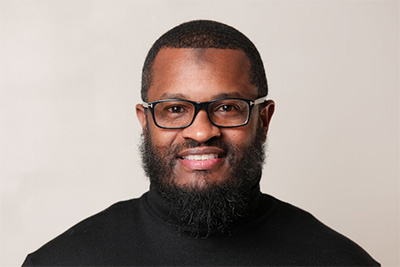
Anthony “Tony” Shaw, MPM, EdM, is a doctoral student in Social Welfare at the University of Pennsylvania’s School of Social Policy and Practice. His research centers Black boys and men, examining how chronic trauma exposure shapes engagement with digital environments and how such engagements function as coping behaviors with consequential implications for identity formation, mental health, and life course outcomes.

Situated at the intersection of social policy, technology, and race, Shaw’s scholarship investigates the reproduction of structural racism within digital ecosystems and its embedment in everyday online experience. His work attends specifically to how Black male youth navigate artificial intelligence, social media, and emerging digital economies—including online gambling platforms—analyzing how these spaces simultaneously mediate trauma and generate risk behaviors, while also functioning as sites of community, cultural expression, and survival. He further examines how social media environments shape and amplify narratives of violence, influence behavioral norms, and are implicated in the diffusion and perception of community violence, drawing empirical linkages between online experiences and offline harm.

Shaw is an alumnus of the Black & Brown Collective’s Mentorship & Training Program.

Read More

Moderators

Nazsa Baker

Nazsa Baker

Research Director and Program Manager, The Wraparound Project, Zuckerberg San Francisco General Hospital, University of California, San Francisco

Nazsa Baker, PhD, MA, is the new research director and program manager of The Wraparound Project at Zuckerberg San Francisco General Hospital (ZSFGH) in the Department of Surgery at the University of California, San Francisco (UCSF). Baker recently completed her postdoctoral fellowship with the New Jersey Gun Violence Research Center at Rutgers University School of Public Health. She earned her PhD in urban systems with a concentration in urban health Rutgers University, School of Nursing, in October 2021. Her research focuses on community violence with an emphasis on firearm violence survivorship among Black men and hospital-based and hospital-linked violence intervention programs.

Dr. Baker is a member of the Black & Brown Collective for Community Solutions to Gun Violence.
Read More
Caleb Cuthbertson

Caleb Cuthbertson

Postdoctoral Research Fellow, Regional Gun Violence Research Consortium

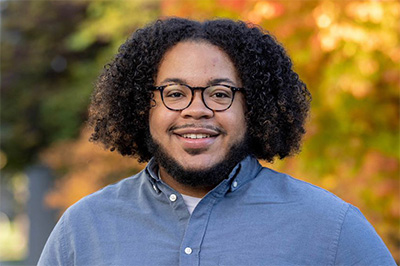
Caleb Cuthbertson, PhD, LMFT, is a postdoctoral research fellow with the Regional Gun Violence Research Consortium at the Rockefeller Institute of Government. His research focuses on the psychological and relational consequences of firearm injuries for individuals, families, and communities. Cuthbertson earned his PhD in human development and family science, specializing in couple and family therapy, from The Ohio State University. His dissertation examined the psychological and relational experiences of survivors of nonfatal firearm injuries and their family members using a dyadic, narrative approach. His work highlights that the consequences of firearm injury extend beyond the individual who sustains the physical wound, emphasizing the interdependent nature of trauma, mental health, coping, and recovery within family systems.

As a licensed marriage and family therapist, Cuthbertson brings a clinically informed and systems-oriented perspective to gun violence research. Prior to his postdoctoral fellowship, he served as a Graduate Research Associate at The Ohio State University, contributing to suicide prevention research and intervention efforts for youth experiencing homelessness. This experience, alongside his clinical work with individuals and families affected by trauma, informs his broader research interests in firearm injury prevention and intervention, hospital-based violence intervention programs, mental health help-seeking, and the experiences of Black families and communities affected by violence. His commitment to family- and community-centered approaches to violence prevention also led to his selection as an inaugural training and mentorship fellow with the Black and Brown Collective for Community Solutions to Gun Violence.
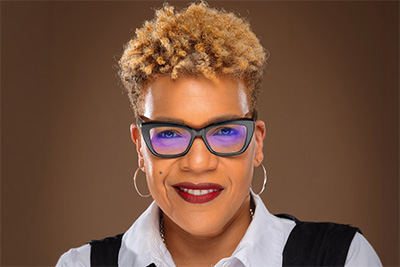
Through his postdoctoral fellowship with the Regional Gun Violence Research Consortium, Cuthbertson seeks to advance interdisciplinary research that bridges scholarship, clinical practice, community engagement, and policy. His long-term program of research seeks to expand the field’s understanding of firearm violence as an experience that reverberates throughout family and community systems and to inform interventions and policies that promote healing and recovery for the survivor and those they are connected to.

Read More