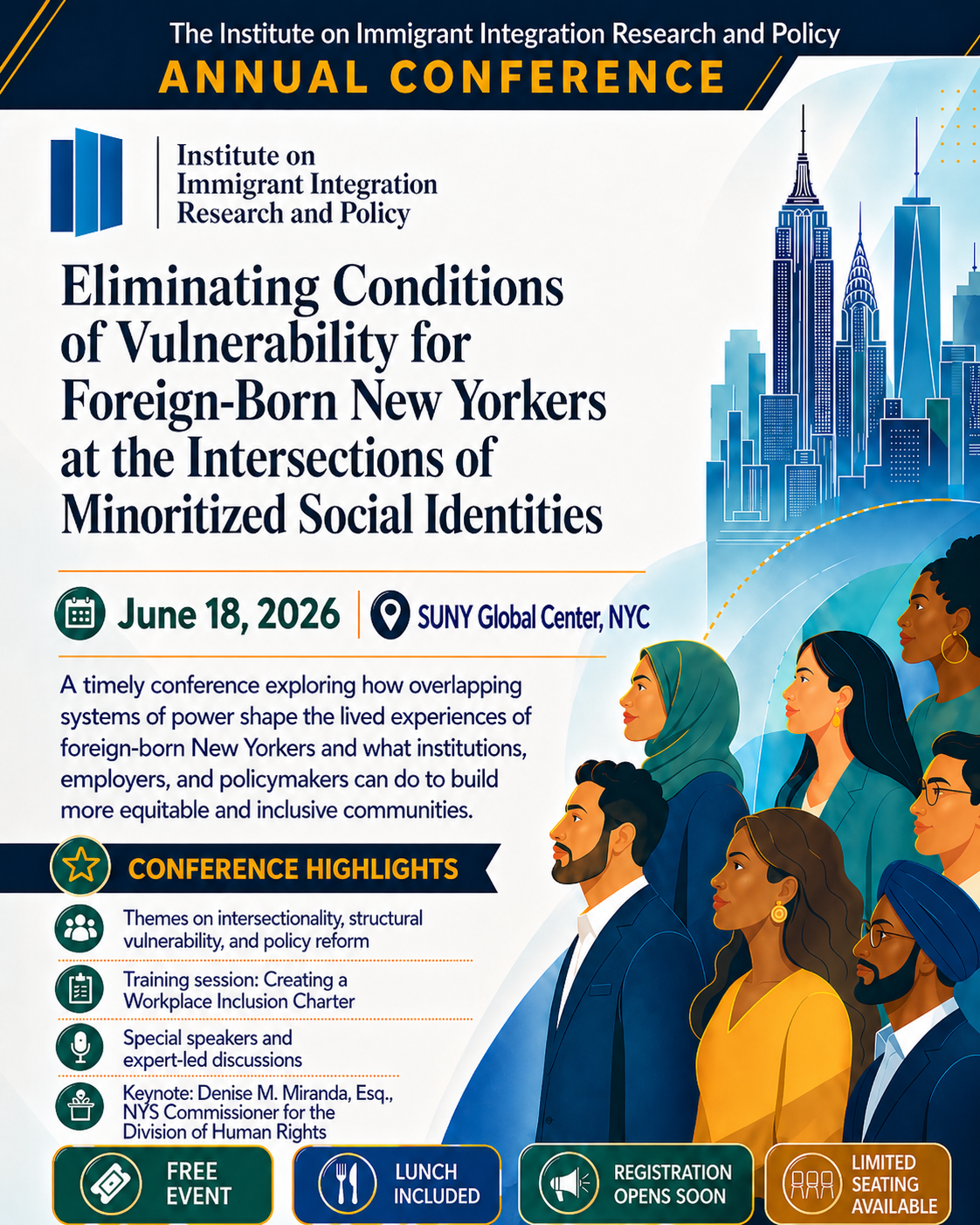
Eliminating Conditions of Vulnerability for Foreign-Born New Yorkers at the Intersections of Minoritized Social Identities

The Intersectionality Framework, developed by Crenshaw (1989), highlights how overlapping systems of power affect those marginalized by multiple axes of identity. In this conference, we focus on how institutional and policy-level factors disadvantage foreign-born Americans whose multiple minoritized social identities intersect with nativity status. We examine how policies and practices can alleviate structural vulnerability and eliminate conditions that threaten the well-being of these segments of the population. We explore the systems that are challenging or reinforcing these structures. We ask how these identities interact to create unique lived experiences. Where does compound discrimination or compound advantage occur?

Schedule

  • 8:30 AM – 9:00 AM

    Registration & Continental Breakfast
    Check in, grab a coffee, and mingle with other attendees and presenters.
  • 9:00 AM – 9:30 AM

    Welcome & Opening Remarks

    Special remarks will be offered by:

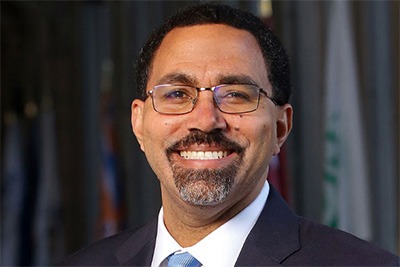
    • John B. King, Jr., Chancellor, State University of New York

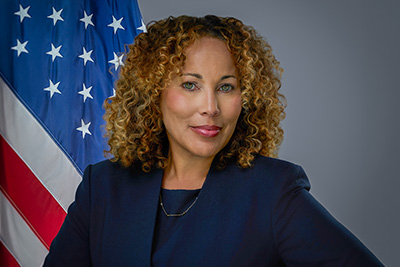
    • Christa Grant, Interim Chief Diversity Officer, State University of New York

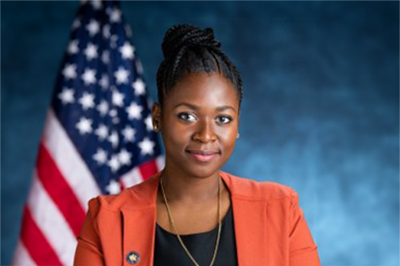
    • Phara Souffrant Forrest, Assemblymember, District 57, New York State Assembly

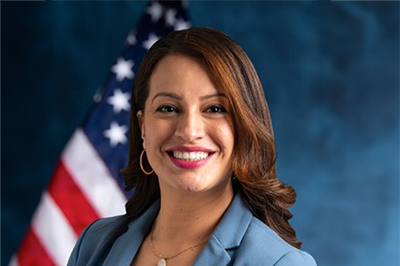
    • Catalina Cruz, Assemblymember, District 39, New York State Assembly

    • Dina Refki, Executive Director, Institute on Immigrant Integration Research and Policy

    • Beatriz Lopez, Executive Director, Voto Latino

  • 9:30 AM – 10:15 AM

    Opening Keynote: Intersectionality, Nativity, and Structural Vulnerability

    A keynote address situating the conference within the intersectionality framework, with attention to how overlapping systems of power shape vulnerability among foreign-born New Yorkers. The keynote will emphasize the role of institutions, policy design, and governance structures in producing—or mitigating—compound disadvantage. Key themes: Intersectionality as a governance and policy analysis tool; foreign-born status as a multiplier of vulnerability across identities and implications for democratic legitimacy and inclusion

    Honorable Denise Miranda, Commissioner, NYS Division of Human Rights

  • 10:15 AM – 10:30 AM

    Break
    Take a minute to relax, reflect, and connect with other attendees.
  • 10:30 AM – 3:30 PM

    Building a Workplace Inclusion Charter Training

    Building a Workplace Inclusion Charter is a practical, action-oriented training course designed to help employers make workplace inclusion a measurable competitive advantage. Through guided discussion and hands-on planning, participants will explore the business case for inclusion, inclusive recruitment and onboarding practices, language access and workplace policies, leadership and workplace culture, and strategies for implementation. The session is designed to support stronger productivity, retention, recruitment, and worker experience by helping organizations translate inclusion principles into everyday operations. Participants will leave with ready-to-use templates, practical tools, peer and community support connections, and a 90-day action plan to begin building or strengthening a Workplace Inclusion Charter within their own organization.

    Speakers

    • Natasha Lay, Executive Director, Bow Valley Immigration Partnership (BVIP)

    • Tineke van der Merwe, Community Engagement and Inclusion Specialist, Bove Valley Immigration Partnership (BVIP)

  • 10:30 AM – 12:30 PM

    Breakout Session Block 1 – Session A

    Session A: Health & Mental Health: Care, Trauma, and Institutional Trust

    This session examines how intersecting identities—including immigration status, disability, race, and language access—shape health and mental health outcomes for immigrant communities. Panelists will explore public health and care systems as dual sites of protection and harm, analyzing how policy design, institutional practices, and frontline implementation can either mitigate or compound trauma. Centering trauma-informed, culturally responsive, and language-accessible models, the discussion will focus on what it takes to scale equitable care statewide and to rebuild institutional trust among communities navigating fear, surveillance, and systemic exclusion.

    Speakers

    • Mustafa Hussein, Professor, CUNY School of Public Health

    • Karina Albistegui Adler, Director of Health Justice, New York Lawyers for the Public Interest (NYLPI)

    • Diana Romero, Director of the Cener for Immigrant, Refugee and Global Health (CIRGH), CUNY Graduate School of Public Health & Health Policy

    • Matilde L. Román, Senior Vice President, Chief Inclusion and Impact Officer, Westchester Medical Center Health Network

    Moderator: Laura Gonzalez-Murphy, Executive Director, New York State Office for New Americans

    Breakout Session Block 1 – Session B

    Session B: Workforce & Economic Security: From Precarity to Protection

    For many foreign-born New Yorkers, work does not guarantee stability or mobility. This session examines how nativity status intersects with gender, caregiving responsibilities, disability, and credential recognition to shape labor market segmentation and economic insecurity. Panelists will explore where labor protections, enforcement regimes, and workforce development systems fail immigrant workers—particularly those concentrated in low-wage, informal, or contingent employment. The discussion will highlight policy and institutional reforms that recognize immigrant skills, strengthen worker protections, and prevent exploitation. Emphasis will be placed on workforce pathways, enforcement mechanisms, and governance innovations that transform work from a source of precarity into a foundation for long-term economic security and mobility.

    Speakers

    • Philip Kasinitz, Presidential Professor of Sociology, CUNY Graduate Center

    • Lucky Ho, Senior Civic Engagement Coordinator, Asian American Federation

    • Maria Figueroa, Director of Labor Policy, Rockefeller Institute of Government

    • Khadijatu Muhammad, Program Manager, Language Access, African Communities Together (ACT)

    • Renan Selgado, Human Trafficking Director, Workers Justice Center of New York (WJCNY)

    Moderator: Paola Martinez, Director of Strategic Program Development and Special Initiatives, Catholic Charities of the Archdiocese of New York

  • 12:30 PM – 1:30 PM

    Lunch & Networking

    Enjoy lunch with other attendees.

    Institute on Immigrant Integration Research and Policy Deputy Director & Intergovernmental Liaison Guillermo Martinez will offer remarks.

  • 1:30 PM – 3:30 PM

    Breakout Session Block 2 – Session C

    Session C: Education & Skills Pathways: Access, Belonging, and Intergenerational Equity

    This session examines education as a central site of immigrant integration and long-term economic mobility. Panelists explore how language access, disability accommodations, and legal status shape educational persistence across the life course; where adult education and credentialing systems systematically exclude immigrant learners; and how policy design can either reproduce precarity or foster durable pathways from learning to economic security. The discussion highlights equity-driven models that promote belonging, recognize skills and credentials, and generate intergenerational opportunity.

    Speakers

    • Jeanne Batalova, Senior Policy Analyst, Migration Policy Institute

    • Miriam Feldblum, President & CEO, Presidents’ Alliance on Higher Education and Immigration

    • Ruben Barato, Vice President for Student Affairs, Hudson Valley Community College

    • Stacie Evans, University Director for Language and Literacy Programs, The City University of New York

    Moderator: Ramona Hernandez, Director of the City University of New York Dominican Studies Institute (CUNY DSI), City College of New York

    Breakout Session Block 2 – Session D

    Session D: Cross-Cutting Focus: Inclusive Governance, Policy Design, and Accountability

    This session centers on how governance systems can be designed to recognize complexity, prevent harm, and deliver meaningful protections. Panelists examine the role of intersectional impact assessments in improving policy outcomes; the accountability mechanisms needed to ensure laws translate into lived protections; and strategies for institutionalizing community voice across agencies. The discussion highlights what inclusive governance looks like in practice at the state and local level—and how policy design can move from intent to impact.

    Speakers

    • Tom Lininger, Orlando J. and Marian H. Hollis Professor, University of Oregon School of Law

    • Jeffrey M. Wice, Distinguished Adjunct Professor/Senior Fellow N.Y. Elections, Census & Redistricting Institute, New York Law School

    • Carlos Vargas-Ramos, Director of Public Policy, External Relations and Development, Center for Puerto Rican Studies, Hunter College, CUNY

    • Beatriz Lopez, Executive Director, Voto Latino

    Moderator: Carlene Nelson, 2026 Fellow on Immigrant Integration Research & Policy, Institute on Immigrant Integration Research and Policy

  • 3:30 PM – 4:00 PM

    Closing Plenary: Eliminating Conditions of Vulnerability: A Shared Agenda

    Synthesis of key themes and insights. Reflections from session facilitators, implications for policy, research, and practice. Next steps and future collaboration

Special Remarks

Catalina Cruz

Catalina Cruz

Assemblymember, District 39, New York State Assembly

Catalina Cruz was born in Colombia and came to Queens at nine. She grew up as a DREAMer, living in the United States for more than ten years as an undocumented American. Cruz was raised by a single mother who, like many immigrants, had to work multiple and menial jobs to support her family. Inspired by her mother’s perseverance, Cruz has committed her career to fighting for our community to ensure our workers, neighbors, and families not only survive but thrive.

Cruz is an experienced attorney and a leader in tenant protection, immigration reform, and workers’ rights. Prior to becoming the assemblywoman for the 39th District, she practiced housing law. She served in various positions in city and state government, including chief of staff to former Council Member Julissa Ferreras-Copeland, counsel to the City Council’s Committee on Immigration, and director of the Governor’s Exploited Workers Task Force, among others. In these positions, she represented tenants in housing court, drafted legislation, and implemented initiatives to support women, protect workers, and champion small businesses.

Since taking office in 2019, Cruz has passed more than 24 new laws to combat food insecurity, curtail the high cost of healthcare, protect aging New Yorkers, and so much more. Cruz’s district office places a strong emphasis on constituent services. Her hardworking staff is proud to have helped thousands of constituents access legal services, small business support, unemployment insurance, health insurance, and pandemic assistance, as well as help with mortgage, rent, and utility payments.

Cruz lives in Jackson Heights, Queens. She holds a bachelor’s degree from the John Jay College of Criminal Justice and a juris doctor from the City University of New York’s School of Law and is admitted to practice law in the State of New York.

Read More
Phara Souffrant Forrest

Phara Souffrant Forrest

Assemblymember, District 57, New York State Assembly

Phara Souffrant Forrest represents the 57th Assembly District in Brooklyn, New York, which consists of the neighborhoods of Fort Greene and Clinton Hill, as well as parts of Bedford-Stuyvesant and Crown Heights. She was first elected in 2020.

Forrest is the daughter of Haitian immigrants and a lifelong resident of the 57th District. She is a proud product of Brooklyn’s public school system, attending Philippa Schuyler Middle School and Benjamin Banneker Academy for Community Development. She then attended the State University of New York’s (SUNY) Geneseo, where she majored in international relations, before obtaining an associate’s nursing degree at City University of New York’s (CUNY) City Tech and a BSN at CUNY School of Professional Studies.

Forrest has held various jobs that help her connect with her constituents: working in New York City public schools, as an Uber driver, and doing youth advocacy work at Global Kids. Before being elected to the assembly, Forrest worked as a maternal child field nurse, caring for new mothers after they gave birth.

In addition to her work as a nurse, Forrest was president of her building’s tenant association before running for office. Tenant organizing, in particular the fight to pass the Housing Stability & Tenant Protection Act of 2019, was a major motivating force in her decision to run for office and stand up for tenants like herself across the state.

Since being elected, Forrest has continued to champion the rights of tenants, as well as expanding access to healthcare and reforms to the carceral system. In her first term, she passed the Less Is More Act, which made the state’s supervision system more just and equitable. She believes that working-class New Yorkers deserve stable housing, affordable healthcare, and the resources to pursue a good life.

Forrest lives in Crown Heights, New York, with her husband and son.

Read More
Denise Miranda

Denise Miranda

Commissioner, NYS Division of Human Rights

Denise M. Miranda, Esq. was nominated by Governor Kathy Hochul in March 2024 to serve as Commissioner for the New York State Division of Human Rights. The Division is dedicated to eliminating discrimination, remedying injustice and promoting equal opportunity and dignity. Commissioner Miranda was confirmed by the New York State Senate in May 2025 and sits on the Governor’s Executive Committee on Diversity, Inclusion and Equal Opportunity.

During Commissioner Miranda’s first year at the Division of Human Rights, she engaged in wholesale organizational changes to improve all aspects of the agency’s operations. Supported by Governor Hochul’s historic investments, the Division has increased staffing levels agency-wide by more than 50 percent, and launched a new Intake Unit, Internal Audit Unit, Training Unit, and Solutions Development Unit. These new units streamline the Division’s complaint process, strengthen internal controls, provide comprehensive ongoing training to Division staff, and leverage data to inform the agency’s work. Taken together, these new units significantly improve all aspects of the Division’s operations.

Prior to leading the Division of Human Rights, Commissioner Miranda was appointed in 2017 and confirmed by the New York State Senate as the Executive Director of the New York State Justice Center for the Protection of People with Special Needs, a role she held for seven years. As head of the Justice Center, she oversaw the agency’s operations, which included investigations into abuse and neglect; criminal prosecutions; and administrative disciplinary proceedings. Under her leadership, the Justice Center managed the care of over one million individuals, with a workforce of more than 425 employees and a $41 million operating budget. While leading the Justice Center, she established the Sexual Abuse Response Team (SART), launched the Justice Center’s Anti-Racism Initiative to ensure equity in internal operations and external interactions, and led efforts to improve operational efficiency that resulted in the resolution of a significant backlog of appeals.

For nearly 30 years, Commissioner Miranda has been actively engaged in the practice of law and focused the majority of her career on social justice issues and protecting the rights of vulnerable individuals. From 2010 to 2017, Commissioner Miranda led a team providing legal services, impact litigation, and policy advocacy to support low-income communities by serving as Managing Director of the Urban Justice Center’s Safety Net Project (UJC) in New York City. She raised a $1.4 million budget and implemented initiatives addressing access to economic supports and housing.

During her tenure at UJC, Commissioner Miranda facilitated free city-wide legal programs to ensure access to economic supports and federally subsidized housing for low-and-no-income residents, while also spearheading diversity, equity and inclusion initiatives within the agency. Her advocacy work frequently gained media attention, including features in “The Nation”, “The New York Times”, and “The Huffington Post”. Commissioner Miranda also advanced organizational diversity and inclusion, creating pathways for underrepresented groups in the legal profession. In addition, Commissioner Miranda also served as Co-Chair of the Public Housing Taskforce for the Women’s City Club of New York.

Commissioner Miranda began her legal journey as an Assistant District Attorney in the Domestic Violence, Child Abuse and Sex Crimes Bureau of the Bronx County District Attorney’s Office. Her extensive experience working with domestic violence survivors served as a foundation for her transition to civil practice working as a Senior Attorney with the Network for Women’s Services and later, when she established her own private practice. A proud alumna of St. John’s University School of Law, where she earned her Juris Doctor, and New York University, where she completed her Bachelor of Arts, Commissioner Miranda has been admitted to the New York State Bar and federal courts in the Southern and Eastern Districts of New York.

Beyond her professional accomplishments, she is deeply committed to community service. She is the Co-Chair of the New York State Bar Association’s Committee on Civil Rights and a member of the Puerto Rican Bar Association, 100 Hispanic Women of Westchester, Women Creating Change, Westchester Black Women’s Political Caucus, the Latina Mentoring Initiative, and is a legislatively appointed member of the Westchester County Hispanic Advisory Board. She has received numerous recognitions for her years of service and has been featured as a keynote speaker on issues of social justice. The Commissioner was listed by City & State on the 2025 Bronx Power 100 List and the 2024 Power of Diversity Latino 100 List. She has also been honored by El Diario as a Distinguished Latina and by 100 Hispanic Women National with the Latina Government Service Award.

Commissioner Miranda embodies the values of justice, inclusion, and strategic leadership. Her trailblazing career continues to inspire and uplift communities, proving her to be a relentless advocate for fairness and equity.

Read More
John B. King, Jr.

John B. King, Jr.

Chancellor, State University of New York

John B. King, Jr. is the 15th Chancellor of the State University of New York (SUNY), the largest comprehensive system of public higher education in the United States.

Prior to his appointment as Chancellor, King served as president of The Education Trust. This national civil rights non-profit seeks to identify and close opportunity and achievement gaps for students from preschool through college.

Chancellor King served in President Obama’s cabinet as the 10th US Secretary of Education. Upon tapping him to lead the US Department of Education, President Obama called King “an exceptionally talented educator,” citing his commitment to “preparing every child for success,” and his lifelong dedication to public education as a teacher, principal, and leader of schools and school systems.

Before his appointment as secretary of education, Chancellor King fulfilled the duties of deputy secretary of education, overseeing all policies and programs related to P-12 education, English learners, special education, and innovation.

His service in Washington, DC, followed King’s tenure as New York State’s first African American and first Puerto Rican education commissioner. In this role, Chancellor King oversaw all elementary and secondary schools, as well as public, independent, and proprietary colleges and universities, professional licensure, libraries, museums, and numerous other educational institutions.

Chancellor King holds a bachelor of arts in government from Harvard University; a JD from Yale Law School; a master of arts in teaching of social studies, and a doctorate in education from Teachers College at Columbia University.

You can follow Chancellor King on Twitter at @JohnBKing.

Read More
Christa Grant

Christa Grant

Interim Chief Diversity Officer, State University of New York

Dr. Grant is the Interim Chief Diversity Officer at SUNY, System Administration. She has a combined of over 18+ years of experience working in higher education and non-profit organizations. She has served in DEI leadership roles for over a decade and her work has been regionally and nationally recognized. Prior to joining SUNY, Dr. Grant served as the Director of Staff Learning at Year Up, a national non-profit organization with a mission to close the opportunity divide for young adults in the U.S., where she oversaw org-wide onboarding program for new employees and managers.

Dr. Grant is the recipient of the 2017 Mission Integration Award in Diversity and Inclusion from the Association for Student Affairs at Catholic Colleges and Universities (ASACCU), she also received an Academic Excellence Award in 2022 for her doctoral work at Northeastern University as well as the 2022 Diversity, Equity and Inclusion in Business Award issued by the Albany Business Review. Dr. Grant has presented her work at both regional and national conferences including the National Conference on Race and Ethnicity in American Higher Education (NCORE), Association for Student Affairs at Catholic Colleges & Universities (ASACCU) and the College Student Personnel Association of New York State (CSPA-NY). Additionally, Dr. Grant is a trained facilitator for the Intergroup Relations (IGR) program and the co-founding faculty for the IGR course at Siena College, NY. She has committed majority of her professional career in higher education and is committed to create sustainable change by being a scholar-practitioner. Her doctoral research focused on creating a sense of belonging for BIPOC students at predominantly white institutions.

Dr. Grant received a Doctorate in Higher Education Administration from Northeastern University, a master’s degree in Education from The College of Saint Rose, and a Bachelor’s degree in Communications and Sociology from SUNY Buffalo ’05.

Read More
Beatriz Lopez

Beatriz Lopez

Executive Director, Voto Latino

Beatriz Lopez is the Executive Director of Voto Latino and a trusted strategic leader with more than two decades of experience in founding organizations, designing innovative campaigns, building and implementing organizational strategy, managing multimillion-dollar budgets, and positioning organizations as influential voices for critical national issues.

During her time at the Immigration Hub, Beatriz led a communications and advocacy operation that achieved national scale – producing over 3,760 ads to persuade critical voting blocs, generating 3,600 media mentions in major outlets, and delivering hundreds of policy briefings and evidence-based memos to Congress and the Biden-Harris administration. She helped build the largest immigration coordination infrastructure in the country – including the Amigos Nexus and other critical strategy tables – working alongside partners to shape the national immigration advocacy agenda and secure protections for millions of immigrants and their families.

Beatriz also co-founded Democracy Power Project, a national initiative designed to strengthen America’s democratic resilience by linking people, policy, and power across diverse social justice movements. She is also a principal at Ascend Strategy Labs where she has helped nonprofit organizations, such as the Envision Freedom Fund and the University of Pennsylvania’s Kleinman Center for Energy Policy, develop and execute impactful communication and funder strategies.

Her extensive experience includes leadership roles at the Center for American Progress and the Service Employees International Union (SEIU), where she developed communications and engagement strategies for the Immigrant Justice Campaign and Latino electoral program, creating the innovative iAmerica platform that reached millions of voters in key battleground states. Earlier in her career, she also led grasstops organizing with Public Citizen and served in the U.S. Peace Corps (El Salvador).

As a thought leader, Beatriz has authored memorandums, editorials, and case studies featured in Washington Post, POLITICO, Bloomberg, NBC, and other publications. She served as a board member of Somos Votantes and as an Executive Advisory Committee member of the CIPC Research Synthesis Project.

Read More
Dina Refki

Dina Refki

Executive Director, Institute on Immigrant Integration Research and Policy

Dina Refki is the director of the Center for Women in Government & Civil Society (CWGCS) at the University at Albany. Refki studies and researches the interplay of gender with institutional structures in the US and international context. She applies gender mainstreaming and budgeting analysis from transnational perspectives. Prior to assuming leadership at CWGCS in 2009, she held different positions at the Center, including as director of the Immigrant Women & State Policy Program, which facilitated interagency collaboration, promoted dialogues with civil society and immigrant women at the state level, and worked to identify and address barriers to the integration of immigrant women in the social, economic, and political fabric of local communities. Refki studies the challenges of migration, the barriers facing immigrant women and their families, and the structural changes needed to better respond to the needs of immigrant women.

Read More
Guillermo Martinez

Guillermo Martinez

Deputy Director & Intergovernmental Liaison, Institute on Immigrant Integration Research and Policy

Guillermo Martinez is the deputy director and intergovernmental liaison for the Institute on Immigrant Integration Research and Policy. He brings over 20 years of significant leadership, management, and communications experience in both the nonprofit and government sectors. During his time in the New York State Legislature, he served as the director of policy development for the New York State Assembly Task Force on New Americans and legislative and communications director for the New York State Assembly Puerto Rican/Hispanic Task Force, having served in that role as the longest tenured staffer in the organizations 35-year history. In those capacities, he helped research, draft, and negotiate over 200 pieces of legislation that are now state law, including programs such as the SUNY Hispanic Leadership Institute, the SUNY Office of Diversity Equity and Inclusion, the codifying of the Office of New Americans, the Immigration Services Fraud Prevention Act, the Idle-Free School Zone Act, Geriatric Mental Health Act, the Undocumented Immigrant In-State-Tuition Act, the School Energy Efficiency Collaborative Act, the establishing of the New York Latino Research and Resources Network (NYLARNet), and dozens of other laws, including consumer protection measures addressing online privacy, disaster preparedness, protecting children with disabilities, and the elderly. Prior to his time in the legislature, Martinez served as director of communications and legislative affairs for the Council of Community Services of New York State and worked at SUNY Oneonta’s migrant education program (ESCORT) assisting migrant farmworkers with the educational needs of their children in a region covering 23 states.

Read More

Panelists

Karina Albistegui Adler

Karina Albistegui Adler

Director of Health Justice, New York Lawyers for the Public Interest (NYLPI)

Karina Albistegui Adler is a health justice leader, advocate, and immigrant rights strategist with 15 years of experience fighting for low-income and undocumented New Yorkers in the community an in-immigration detention centers. She built a community engagement program from the ground up, originated the campaign that changed New York State’s organ transplant access for undocumented immigrants, and serves as a trusted voice for communities navigating healthcare, immigration enforcement, and access to public benefits. She is a native Spanish speaker and brings the perspective of a lifetime of lived immigrant experience to her work.

Read More
Ruben Barato

Ruben Barato

Vice President for Student Affairs, Hudson Valley Community College

Dr. Ruben Barato serves as Vice President for Student Affairs at Hudson Valley Community College, where he provides strategic leadership for student affairs, enrollment services, student success initiatives, and campus engagement. With more than 30 years of experience in higher education, Dr. Barato has dedicated his career to supporting historically underserved students, including immigrant, undocumented, ESL, first-generation, and international students across community colleges in New York, Connecticut, and Massachusetts.

Throughout his career, Dr. Barato has led and expanded programs designed to improve educational persistence, retention, and economic mobility for multilingual and immigrant communities. His work has included developing culturally responsive student support systems, advancing language-access initiatives, strengthening services for undocumented and DACA students, and advocating for inclusive institutional policies that remove barriers to enrollment, advising, financial aid access, and student engagement. He has also worked extensively with ESL and adult learners, helping institutions create pathways that connect language acquisition, workforce development, credential attainment, and long-term economic opportunity.

Dr. Barato’s scholarly work has focused extensively on immigrant and undocumented student experiences in higher education. His doctoral dissertation, “Shadows in the Classrooms: Undocumented Latino Students in Community College,” examined the lived experiences, barriers, resilience, and educational journeys of undocumented Latino students navigating the community college system. His research and advocacy have centered on issues of access, belonging, educational equity, and institutional responsibility in supporting immigrant-origin students.

In addition to his institutional leadership, Dr. Barato has contributed to regional and national conversations on immigrant integration and educational equity through presentations, workshops, and conference sessions focused on undocumented students, immigrant student success, culturally responsive leadership, and equity-centered student support practices. He has also been involved in the Bridging the Empathy Gap project, an initiative focused on immigrant-origin youth, social inclusion, and empathy-building in education and public discourse, particularly connected to the work of Carola Suárez-Orozco and immigrant youth advocacy networks through dialogue, storytelling, and inclusive educational practices.

Prior to joining Hudson Valley Community College, Dr. Barato served in senior student affairs leadership roles at CT State Community College, Massasoit Community College, and SUNY Westchester Community College, where he championed initiatives centered on belonging, student success, mental health support, equity-driven enrollment strategies, and high-impact educational practices. His professional work has consistently focused on creating institutional environments where immigrant and marginalized students can thrive academically, socially, and economically.

Dr. Barato holds a Ph.D. in Higher Education Administration from New York University and has taught and mentored students in a variety of higher education settings. His scholarship and leadership interests include immigrant integration, servingness in higher education, adaptive leadership, student belonging, and equity-centered institutional transformation.

Read More
Jeanne Batalova

Jeanne Batalova

Senior Policy Analyst, Migration Policy Institute

Jeanne Batalova is a Senior Policy Analyst at the Migration Policy Institute (MPI) and Manager of the Migration Data Hub, MPI’s flagship online resource providing instant access to the most current U.S. and global immigration data, statistics, and interactive maps. She is also a Nonresident Fellow with the Migration Policy Institute Europe and was a 2023 Bertelsmann Foundation Fellow on the Future of Work.

Her areas of expertise include the U.S. immigration, demographic, and workforce trends; impacts of immigration and immigrant integration policies on the supply of health-care professionals and demand for health-care services; highly skilled immigration and international student policies and trends in the United States and internationally; and postsecondary credentials and upskilling of the first- and second-generation immigrant youth and young adults.

Dr. Batalova earned her PhD in sociology, with a specialization in demography, from the University of California-Irvine; an MBA from Roosevelt University; and bachelor of the arts in economics from the Academy of Economic Studies, Chisinau, Moldova.

Read More
Sheila Cruz

Sheila Cruz

Immigrant Integration Fellow, Institute on Immigrant Integration Research and Policy

Sheila Cruz is a Peruvian immigrant and aspiring political analyst. Her work is deeply informed by her personal journey and is devoted to understanding how international policy and political strategy can effectively support the integration of immigrant populations.

Cruz’s foundational expertise was developed at the prestigious National University Mayor of San Marcos (UNMSM) in Lima, Peru, where she successfully completed a bachelor’s degree in political science. Demonstrating proactive initiative and academic drive, she secured a competitive semester-long exchange program at the Autonomous University of Mexico (UNAM). This invaluable experience sharply expanded her analytical toolkit, giving her deep exposure to the critical fields of political marketing and international relations.

Since immigrating to the United States, Cruz has pursued further academic opportunities in New York State. She is currently advancing her studies by pursuing a master’s degree in international affairs at the renowned Rockefeller College of Public Affairs & Policy.

Read More
Stacie Evans

Stacie Evans

University Director for Language and Literacy Programs, The City University of New York

Stacie Evans has worked in adult education for 35 years. As CUNY’s University Director for Language and Literacy Programs, she works with a team of professional and curriculum developers, trainers, and data managers to support CUNY’s 14-campus Adult Literacy Program and nine-campus CLIP program. She has extensive experience as a teacher and program director and spent five years in the Mayor’s Office as Adult Literacy Policy Advisor, focused on the integration of foundational skills instruction into workforce and higher education pathways.

She is a writer with work in publications including After Ferguson, Bellingham Review, The Rumpus, and the anthology Pretty Little Brick from the Obsidian Black Women Writers Collective. She is on the boards of Voices of Our Nations Arts Foundation, which offers workshops, support, and community for BIPOC writers, and WE LEARN, which centers women’s literacy education as a tool for building power, creating and uplifting communities, pushing past obstacles, and challenging dominant beliefs and behaviors.

Read More
Miriam Feldblum

Miriam Feldblum

President & CEO, Presidents’ Alliance on Higher Education and Immigration

Miriam Feldblum is co-founder, president and CEO of the nonpartisan, nonprofit Presidents’ Alliance on Higher Education and Immigration, an alliance of close to 600 public and private colleges and universities. A national expert on the intersection of immigration and higher education, Miriam has written extensively on immigrant, international, and refugee students, immigration policy, and the future of higher education. Miriam has served in leadership and faculty positions at Pomona College, California Institute of Technology, and the University of San Francisco. She received a B.A. in political science from Barnard College, and M.A., M.Phil, and Ph.D. degrees in political science from Yale University. She is on the Board of TheDream.US, a Public Member of the WASC Senior College and University Commission (WSCUC), and a non-resident fellow at the Migration Policy Institute.

Read More
Maria Figueroa

Maria Figueroa

Director of Labor Policy, Rockefeller Institute of Government

Maria Figueroa is director of labor policy at the Rockefeller Institute. Her areas of expertise include labor and employment policy, non-standard (gig economy) work, immigration, labor organizations, and workforce development. Her work appeared in academic journals and book chapters covering labor issues in the digital platform economy and in sectors such as construction, healthcare, and the arts and entertainment industry. Prior to joining the Rockefeller Institute, Figueroa was dean of the Harry Van Arsdale Jr. School of Labor Studies at SUNY Empire State. In that role, she oversaw the school’s academic programs and all other operational aspects, and she achieved new partnerships with labor organizations to provide opportunities for workforce development with pathways to college degrees for workers in industries across the economy, including low-wage sectors. Before joining SUNY Empire, Figueroa was director of labor policy research at The Worker Institute of Cornell University School of Industrial and Labor Relations (ILR), where she worked on research and technical assistance projects commissioned by labor organizations, government agencies, joint labor-management entities, and private foundations. She also organized national and international multi-stakeholder convenings on labor and employment issues in the gig economy. Before joining Cornell, Figueroa worked as a researcher for the American Federation of State, County, and Municipal Employees, the International Brotherhood of Teamsters, and the UN Centre on Transnational Corporations. Figueroa has a doctor of law and policy degree from Northeastern University, an MPA from NYU Wagner, and a BA from the New School for Social Research.

Read More
Laura Gonzalez-Murphy

Laura Gonzalez-Murphy

Executive Director, New York State Office for New Americans

Laura Gonzalez-Murphy is executive director of the New York State Office for New Americans. Previously, as the director of immigration policy and research at the New York State Department of State, she led the design and implementation of unique initiatives to ameliorate the human impact of the latest federal immigration policies and demographic flows, such as Governor Cuomo’s Golden Door program, which provides mental health assistance to immigrant families across New York, and the Ramirez June Navigator, which focuses on empowering immigrant families with developmental disabilities support as they seek to access services to which they are entitled. Prior to this position, Gonzalez-Murphy served as director of the agency’s State Office for New Americans (ONA), overseeing the operation of the Office’s network of service providers across the state, a model of immigrant integration in the country, and the implementation of NaturalizeNY, the first public-private partnership of its kind, aimed at lifting the financial barrier to citizenship faced by New Yorkers.

Read More
Ramona Hernandez

Ramona Hernandez

Director of the City University of New York Dominican Studies Institute (CUNY DSI), City College of New York

Dr. Ramona Hernandez is the director of the City University of New York Dominican Studies Institute (CUNY DSI) and a professor of sociology, both at the City College of New York. She is also on the faculty at the CUNY Graduate Center. Her research interests include the mobility of workers from Latin America and the Caribbean, the socioeconomic conditions of Dominicans in the US, and the restructuring of the world economy and its effects on working-class people. Under her leadership, CUNY DSI—home to a research unit, Dominican Library, and Dominican Archives—has distinguished itself as a world-class institute of research known for its groundbreaking scholarship on the history of the Dominican people in the United States and elsewhere. Among CUNY DSI’s most recent contributions are the discovery of the Dominican Juan Rodriguez, the first immigrant to have settled in New York City in 1613, and Esteban Hotesse, the only Dominican-born member of the Tuskegee Airmen.

Read More
Lucky Ho

Lucky Ho

Senior Civic Engagement Coordinator, Asian American Federation

Lucky Ho is the Senior Civic Engagement Coordinator at the Asian American Federation, which serves 70+ Asian-serving community-based organizations in New York. Lucky hails from the Southern US, where they cut their teeth in organizing and movement work in the immigrant rights and gender-based violence prevention spaces. Lucky organized with Asian immigrant communities, from anti-deportation work to planning culturally-enriching programming and political education. In their current work, they seek to combat misinformation and disinformation in immigrant communities in order to increase civic and political participation. Lucky has also helped to incubate United in Speech Cooperative, a pan-Asian languages interpreter worker’s cooperative.

Read More
Mustafa Hussein

Mustafa Hussein

Professor, CUNY School of Public Health

Mustafa Hussein is an assistant professor of health policy and economics at the CUNY School of Public Health, and a faculty affiliate with the CUNY Institute for Demographic Research, the Center on Poverty and Social Policy at Columbia University, and with the Institute for Research on Poverty at the University of Wisconsin-Madison. Hussein’s work focuses on the mechanisms of social inequality in health and how health insurance, social safety net, and labor market policies shape health inequalities, especially in urban areas. His current projects assess the contributions of working conditions and protections, especially in the gig economy, as well as changes in public safety net and health insurance benefits to immigrants’ mental health, mortality, and poverty.

Read More
Philip Kasinitz

Philip Kasinitz

Presidential Professor of Sociology, CUNY Graduate Center

Philip Kasinitz is presidential professor of sociology at the CUNY Graduate Center. He previously served as the director of the program in international migration studies (IMS) from and chaired the CUNY doctoral program in sociology. He specializes in immigration, ethnicity, race relations, urban social life and the nature of contemporary cities. He is the author of Caribbean New York for which he won the Thomas and Znaniecki Book Award in 1996. His co-authored book Inheriting the City: The Children of Immigrants Come of Age won the Eastern Sociological Society’s Mirra Komarovsky Book Award in 2009 and the American Sociological Association Distinguished Scholarly Book award in 2010. In addition to publications in scholarly journals Kasinitz is frequently quoted in media venues and his work has appeared in CNN On Line, The New York Daily News, New York Newsday, Dissent, The Nation, The Wall Street Journal and Lingua Franca.

Read More
Natasha Lay

Natasha Lay

Executive Director, Bow Valley Immigration Partnership (BVIP)

Natasha Lay is a relationship-driven leader and expert in community-based change, known for convening cross-sector partners to turn complex social challenges into inclusive, actionable strategies. Grounded in a deep commitment to social justice, she believes in the transformative power of small, passionate groups working collectively to create lasting impact.

Lay currently serves as executive director of the Bow Valley Immigration Partnership (BVIP) in the Canadian Rocky Mountains, a community-led initiative operating at the intersection of research, community planning and action, and policy, to advance immigrant inclusion and social cohesion in the rural region of the Bow Valley, Alberta. With over a decade of experience in nonprofit leadership, community engagement, and intercultural practice, she has led the design and scale-up of multiple place-based inclusion strategies that are both evidence-informed and community-driven.

Under her leadership, BVIP’s flagship Workplace Inclusion Charter has more than doubled its reach. In 2024, the program engaged 70 local workplaces across sectors including municipalities, tourism, and construction, who collectively implemented over 830 inclusion actions, positively impacting nearly 6,000 employees. The Charter offers a tailored framework for measuring, incentivizing, and sustaining inclusive practices and serves as a replicable model for embedding equity goals into regional workforce development systems.

Lay’s expertise lies in translating complex social challenges into actionable strategies, particularly in small or rural and resource-constrained settings. Her work is rooted in applied research, participatory engagement, and a commitment to inclusion and equity. She led BVIP’s multi-year Integration Assessment, a mixed-methods study combining survey data and lived experience narratives to identify systemic barriers and inform regional planning. A key outcome of this research is the cross-sector, community-wide 2025-2029 Bow Valley Immigrant Inclusion Strategy.

Through initiatives like Community Week, Natasha has mobilized over 40 local organizations to co-design events and public education campaigns that celebrate diversity, build social capital, and reduce newcomer isolation. Her strategic approach to engagement has led to sustained partnerships with ethnocultural communities, municipal governments, business associations, national agencies such as Parks Canada, and more.

Natasha Lay has led initiatives across the non-profit, government, and community sectors in Australia and Canada. Her previous roles include leading a refugee microfinance mentorship program, coordinating youth engagement for Oxfam Australia, advancing policy advocacy with Youth Action (a statewide peak body for youth affairs), and facilitating economic development initiatives with Liverpool City Council in Sydney. She brings a strong track record of impact, including increasing event participation by 566%, growing volunteer engagement by over 2,700%, and securing significant sponsorships and in-kind support.

She holds a bachelor of arts in Communication (Social Inquiry) from the University of Technology Sydney and is a graduate of the Centre for Sustainability Leadership’s Fellowship program. Her work has been nationally recognized with awards including the Green Gown Individual Award of Excellence (2013) and Young Woman of the West by Western Sydney University (2016).

Born and raised in Sydney, Australia, with Chinese Hakka roots and a family history of migration from Timor-Leste, Natasha brings a deeply personal understanding of diasporic belonging and transnational identity. Now based in Banff, Alberta, she continues to explore how rural communities can serve as innovative sites for immigrant integration, inclusive community-building, and systems-level transformation.

At the 2025 Conference on Immigrant Integration, Natasha will share grounded insights into operationalizing social inclusion through employer engagement, evidence-based regional planning, and cross-sector governance. Her presentation will explore replicable strategies for scaling localized solutions to national challenges in immigrant integration.

Read More
Paola Martinez

Paola Martinez

Director of Strategic Program Development and Special Initiatives, Catholic Charities of the Archdiocese of New York

Paola Martinez is director of strategic program development and special initiatives for the Catholic Charities of the Archdiocese of New York. Previously, she served as director of local government and legislative affairs for the State University of New York (SUNY). Prior to working at SUNY, she was director of social services and community engagement for Catholic Charities at the Betances Houses in the South Bronx. She oversaw a portfolio of 41 buildings and approximately 3,000 residents, making it the largest New York City Housing Authority development and only the second in New York City to participate in the Rental Assistance Demonstration program. Prior to this role, Martinez served as program manager and policy analyst for the New York City Department of Small Business Services, the NYC Commission on Human Rights, and the New York City Council. She earned a bachelor’s degree in political science from the City College of New York and a Master of Science in urban policy and leadership from the Hunter College Graduate School of Planning and Policy.

Read More
Khadijatu Muhammad

Khadijatu Muhammad

Program Manager, Language Access, African Communities Together (ACT)

Khadija Muhammad is a program and change management professional with extensive experience designing and implementing initiatives that advance workforce inclusion, community engagement, and equitable access to services. Her work spans healthcare, education, finance, and international development, with a focus on supporting multilingual and immigrant communities.

Throughout her career, Khadija has led cross-functional projects that improve organizational effectiveness, strengthen stakeholder engagement, and expand access to opportunities for historically underserved populations. She has developed and managed programs that connect families, community organizations, and public institutions while addressing barriers related to language access, workforce participation, and social inclusion.

Khadija currently serves as Program Manager for Language Access at African Communities Together, where she leads initiatives that strengthen language access, community engagement, and equitable service delivery for immigrant and multilingual communities. Her work focuses on reducing barriers to participation and ensuring that individuals can effectively access critical services, resources, and opportunities.

She is also the Founder and Principal Consultant of Black Star Consulting, where she partners with organizations to build inclusive workplaces, strengthen community engagement strategies, and develop programs that support workforce readiness, leadership development, and organizational change. She is passionate about helping institutions recognize and leverage the talents of diverse communities to create pathways for long-term economic mobility and belonging.

Read More
Carlene Nelson

Carlene Nelson

2026 Fellow on Immigrant Integration Research & Policy, Institute on Immigrant Integration Research and Policy

Carlene Nelson, a Dean’s Distinguished Fellow, is currently pursuing a Master of Public Administration in urban and social policy at Columbia University’s School of International and Public Affairs (SIPA). An Americas Scholar and Global Fellow in Urban Practice, she previously served as a Policy Intern and Community Liaison with the NYC Office of the Mayor, where she navigated the intersection of policy and community engagement. She holds a bachelor’s degree from NYU Gallatin, with an individualized concentration spanning politics, public policy, and Caribbean and Latin American Studies.

Read More
Tom Lininger

Tom Lininger

Orlando J. and Marian H. Hollis Professor, University of Oregon School of Law

Tom Lininger is the Orlando J. and Marian H. Hollis Professor at the University of Oregon School of Law. He writes about court rules, ethics, and access to justice. The U.S. Supreme Court has cited his scholarship, as have supreme courts in 22 states and federal courts of appeal in nine different circuits. The Oregon Supreme Court has appointed Lininger to the Oregon Public Defense Commission, which allocates a $700 million budget to secure access to justice in criminal and certain civil cases. Lininger’s latest scholarly project is a book that explaining court rules in sentences of fewer than ten words, so these rules will be more transparent to low-income litigants. Lininger’s goal is to translate this book into other languages, including Spanish.

Read More
Matilde L. Román

Matilde L. Román

Senior Vice President, Chief Inclusion and Impact Officer, Westchester Medical Center Health Network

Matilde L. Román is Senior Vice President and Chief Inclusion and Impact Officer at Westchester Medical Center Health Network (WMCHealth), where she leads a bold system-level agenda to embed inclusion, equity, and sustainable impact across organizational strategy and operations. Her work centers on transforming values into accountable practices, strengthening institutional culture, improving access and outcomes, and fostering environments where equity and belonging can thrive.
Previously, Román served as the inaugural Chief Diversity and Inclusion Officer at NYC Health + Hospitals, the nation’s largest public healthcare system. In that role, she designed and implemented transformative, enterprise-wide strategies that redefined access, inclusion, and equity across a complex public health system serving millions of New Yorkers.

A graduate of New York Law School, she has devoted her career to dismantling barriers, amplifying historically marginalized voices, and advancing systemic change for underserved communities. Her leadership spans senior roles in healthcare, public policy, and government, where she has consistently driven innovation at the intersection of equity, accountability and impact.

Recognized nationally as one of the Top Diversity Officers in the United States, Román is a trusted advisor and catalyst for progress, guiding organizations to adopt equity-driven practices that strengthen performance, foster belonging, and create lasting social impact.

Read More
Diana Romero

Diana Romero

Director of the Cener for Immigrant, Refugee and Global Health (CIRGH), CUNY Graduate School of Public Health & Health Policy

Dr. Diana Romero is Professor of Community Health and Social Sciences at the City University of New York (CUNY) Graduate School of Public Health and Health Policy (SPH). She served as the Director of the specialization in Maternal, Child, Reproductive and Sexual Health for over 10 years and is currently Director of the Center for Immigrant, Refugee and Global Health (CIRGH).

She has engaged over the past two decades in research and evidence-based advocacy on reproductive, maternal, and child health, with an emphasis on marginalized populations. Some of her work has included: studies of contraceptive decision-making and continuation among women of diverse backgrounds, access to healthcare among immigrants in New York City, integration of reproductive health services in primary care settings, analysis of the differential impact of the COVID-19 pandemic on pregnant women in New York State, and evaluation of the NYC Groceries to Go program involving NYC Care enrollees.

She obtained a PhD in Sociomedical Sciences from Columbia University and teaches Masters and Doctoral courses in research methods, community health, and reproductive and sexual health policy at CUNY SPH.

Read More
Renan Salgado

Renan Salgado

Human Trafficking Director, Workers Justice Center of New York (WJCNY)

Renan Salgado is the Human Trafficking Director at the Worker Justice Center and has been investigating cases of human trafficking since January of 2000. Renan has dedicated his career to the fight against labor trafficking in industries which are historically dependent on cheap labor. He has trained as well as worked in tandem with agents from the FBI, Homeland Security, State Police, and local law enforcement units throughout the state of NY since 2007, and has been a keynote speaker and panelist at various National and International Human Trafficking conferences. Most recently, Renan has trained human trafficking task forces in Los Angeles, Las Vegas, and Long Beach, as well as the Mexican Government’s Attorney General’s Office, Mexican INTERPOL, prosecutors and Judges from Mexico, Guatemala and Honduras, and organizers from various trade unions throughout the United States. His trainings range from effective labor trafficking investigations to the future of labor trafficking. He is a consultant for DOJ’s Office of Victims of Crime (OVC), OTIP’s National Human Trafficking Training and Technical Assistance Center (NHTTAC), International Refugee Committee’s Framework, International Association of Chiefs of Police, and Aequitas.

Read More
Carlos Vargas-Ramos

Carlos Vargas-Ramos

Director of Public Policy, External Relations and Development, Center for Puerto Rican Studies, Hunter College, CUNY

Carlos Vargas-Ramos is the Center for Puerto Rican Studies’ Director for Public Policy, External and Media Relations, and Development. He is also adjunct associate professor in the Department of Political Science at Columbia University, where he teaches on immigration, race and ethnicity, and urban politics. As social scientist, he has worked on the impact of migration on Puerto Rican political behavior, political attitudes and orientations, as well as on issues of racial identity. A political scientist by training, Dr. Vargas-Ramos is co-editor, along with Edwin Meléndez, of Puerto Ricans at the Dawn of the New Millennium published by the Center for Puerto Rican Studies in 2014. He also co-edited with Anthony Stevens-Arroyo, Blessing La Política: The Latino Religious Experience and Political Engagement in the United States published by Praeger in 2012. He is also editor of Race, Front and Center: Perspectives on Race among Puerto Ricans (2017)— a reader on the subject of race, based on a selection of articles in the holdings of Centro: The Journal of the Center for Puerto Rican Studies.

He is author of “The role of state actors in Puerto Rico’s long century of migration,” in Anke Birkenmaier, editor, Caribbean Migrations: The Legacies of Colonialism (New Brunswick, NJ: Rutgers University Press) 2020. Among his peer-reviewed articles are “Political Crisis, Migration and Electoral Behavior,” published in CENTRO: The Journal of the Center for Puerto Rican Studies 30(3): 279-312 (2018), “Puerto Ricans: Citizens and Migrants— A Cautionary Tale,” which appeared in Identities: Global Studies in Identity and Power, 20(6): 665-688, (2013), and “Migrating race: migration and racial identification among Puerto Ricans,” was published in Ethnic and Racial Studies. 37(3): 383-404 (2014).

Dr. Vargas-Ramos joined CENTRO as a researcher in public policy in 2001, charged with initiating CENTRO’s policy papers and reports series. As coordinator of CENTRO’s Data Center, Carlos has co-edited State of Puerto Ricans, 2017 and Almanac of Puerto Ricans in the United States, 2016.

He received his B.A. in Political Science and Economics from Rutgers University. He also holds an M.A. in Hispanic Civilization from New York University, and a Ph.D. in Political Science from Columbia University. Prior to joining the Centro’s staff, Dr. Vargas-Ramos was a legislative aide in the New York City Council. He has also worked as a research assistant at the Barnard/Columbia Center for Urban Policy and Research as well as an enumerator and manager for the U.S. Bureau of the Census.

Read More
Tineke van der Merwe

Tineke van der Merwe

Community Engagement and Inclusion Specialist, Bove Valley Immigration Partnership (BVIP)

Tineke van der Merwe is a community engagement and inclusion specialist with more than 15 years Senior Leadership experience across the creative industries, cultural institutions, local government, the non-profit sector, and community development. Originally from South Africa and now based in the Bow Valley, Alberta, Canada, she has lived and worked in five countries, bringing a global perspective shaped by an international career spanning Africa, Europe, Oceania, and North America.

Before moving to Canada, Tineke served as Chief Executive of New Zealand’s largest independent theatre, leading one of the country’s most respected performing arts organizations. Prior to that, she spent a decade in London, United Kingdom, where she held Senior Leadership positions at some of the country’s most prestigious cultural and heritage institutions, including internationally recognized heritage sites and the National Theatre. Her work focused on business development, audience engagement, communications, partnerships, and creating meaningful connections between organizations and the diverse communities they serve.

Following her time in New Zealand, Tineke and her husband spent 21 months travelling around the world by motorcycle, crossing multiple continents and immersing themselves in different cultures and communities along the way. An avid adventurer, she rode her own motorcycle throughout the journey, covering many thousands of miles in all weather conditions and gaining a deeper understanding of perseverance, adaptability, and herself along the way.

Tineke currently serves as Communications and Engagement Specialist for the Bow Valley Immigration Partnership (BVIP), where she leads initiatives that strengthen belonging, workplace inclusion, and community connection. Tineke is guided not by a North Star, but rather the Southern African philosophy of uBuntu which teaches us that “our humanity is inextricably bound, as we can only be human together”. She is passionate about building bridges across cultures and helping organizations create welcoming environments where everyone has the opportunity to contribute, connect, and thrive.

Read More
Jeffrey M. Wice

Jeffrey M. Wice

Distinguished Adjunct Professor/Senior Fellow N.Y. Elections, Census & Redistricting Institute, New York Law School

Jeffrey M. Wice has several decades of experience working in redistricting, voting rights, and census law. He is considered a national expert on redistricting and has been included in Roll Call’s list of the top 50 Washington policy insiders. Also “of counsel” to the Washington, D.C. law firm Sandler Reiff Lamb Rosenstein & Birkenstock, P.C., and past counsel to several New York Assembly Speakers and State Senate leaders, Professor Wice has assisted many state legislative leaders, members of Congress, and other state and local government officials on redistricting and voting rights matters across the nation.

Professor Wice is the current chair of the New York City Bar Association’s Election Law Committee and serves as a member of the American Bar Association’s Election Law Committee.

During the 1980s, he developed the first national Democratic Party redistricting assistance program, working with state legislative leaders preparing for the 1990 Census and redistricting process. During the 1990s, he served as a counsel to President Bill Clinton’s appointees to the 2000 federal Census Monitoring Board. Since the post-2000 and post-2010 redistricting cycles, Professor Wice served as counsel to the Democratic National Committee and other national redistricting projects.

In New York, he serves as a long-time counsel to the New York State Legislature and has assisted in all congressional and state legislative redistricting processes since the 1980 cycle. In New York City, he served as a counsel to the post-2000, post-2010, and post-2020 City Council redistricting commissions. He is a co-editor of the National Conference of State Legislatures’ (NCSL) 2020 Redistricting Law Handbook and contributed to the 1990, 2000, and 2010 editions. Professor Wice has also served in several NCSL leadership positions, including on the national Executive Committee and currently as Staff Chair of the Elections and Redistricting Committee. He is a Fellow at the State University of New York at Buffalo Law School and has taught election law at Hofstra Law School and the Touro Law Center.

Read More